
 WhatsApp
Benefits of Concrete Recycling Plants
Concrete is one of the most widely used construction materials in the world, and for good reason. It is strong, durable, and versatile, making it the perfect material for a wide range of applications, including buildings, bridges, roads, and more. However, as concrete structures age, they can become damaged or weakened, and may need to be demolished.
Concrete crushing plants, also known as concrete recycling plants, are an environmentally friendly and cost-effective way to recycle concrete and other construction materials. The crushed concrete is then re-used as aggregate in new construction projects, making it an economical and sustainable solution for construction projects of all sizes.
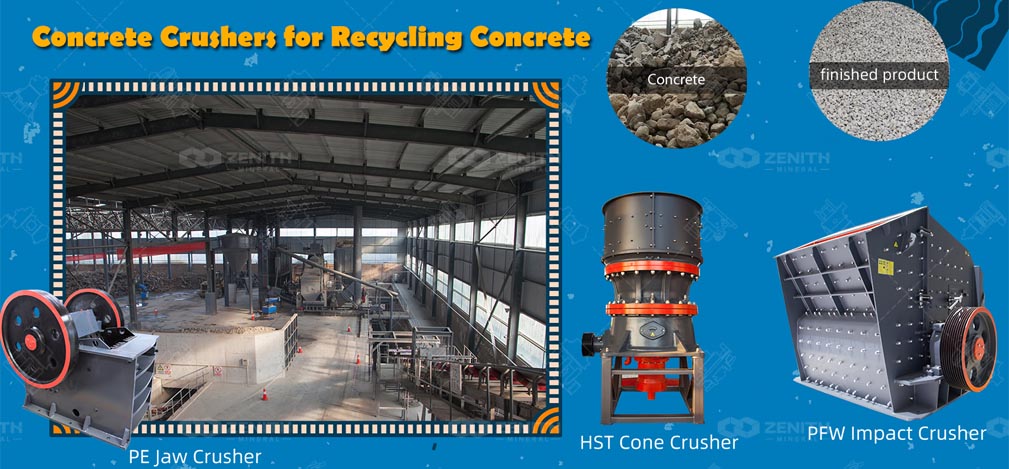
Concrete crushing plants use specialized equipment to crush concrete and other materials into small, manageable pieces. The crushed material is then transported to a recycling facility, where it is sorted and processed into various sizes and grades of aggregate. This aggregate can then be used in new construction projects, helping to reduce the need for new raw materials and reduce construction costs.
There are several benefits to using a concrete crushing plant. One of the main benefits is that it is an environmentally friendly solution. By recycling concrete, we can reduce the amount of waste that is sent to landfills, which helps to reduce our carbon footprint and protect the environment.
Another benefit of concrete recycling plants is that they can help to reduce construction costs. By using recycled aggregate, contractors can save money on materials, as well as reduce the need for transportation and disposal of waste materials. This can help to make construction projects more cost-effective and efficient.
7 Types Concrete Crusher for Recycling Concrete
Demolition of concrete structures is a time-consuming and labor-intensive process, and it can also be expensive. In addition, the debris and rubble that is generated during the demolition process can be difficult and costly to dispose of. This is where concrete crushers come in.
Concrete crushers are machines that are designed to reduce the size of concrete structures and buildings. These machines are used in a variety of industries, including demolition, construction, and mining. There are several types of concrete crushers that are used for different purposes.
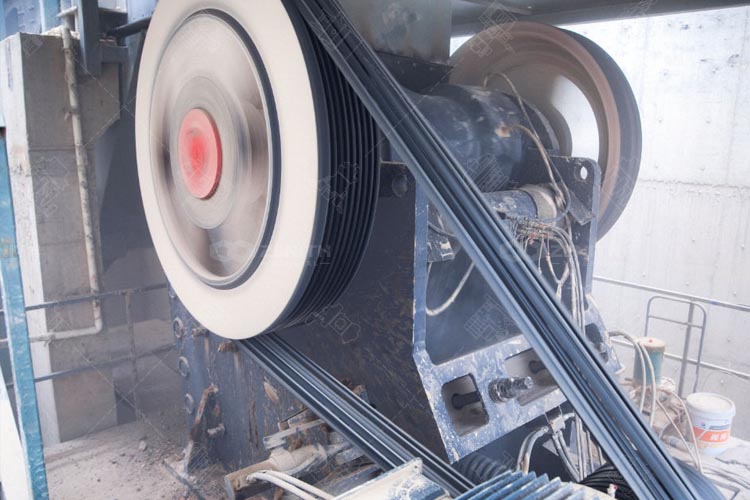
1. Jaw CrushersGet Latest Price
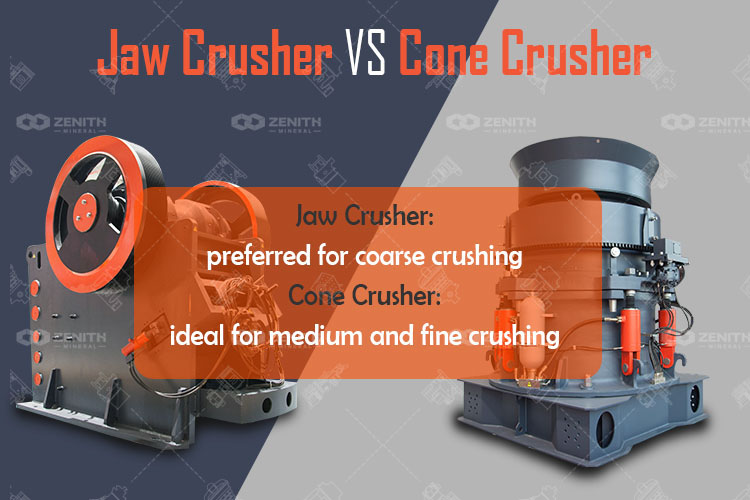
- Overview: A Jaw Crusher is a primary crushing machine that uses compressive force between a fixed and a moving jaw plate to break down large, tough concrete rubble.
- Key Specifications: Handles feed sizes up to 1,200 mm; typical reduction ratio around 6:1.
- Concrete Recycling Advantage: Ideal for high-rebar waste. The open discharge setting allows embedded steel bars to pass through freely without tangling or jamming the mechanism—a common issue in impactors. When paired with an over-band magnetic separator, it removes up to 98% of rebar on-site.
- Limitations: Produces somewhat elongated or flaky aggregate, which may require secondary processing if high-grade cubical road base is required.
2. Impact CrushersGet Latest Price
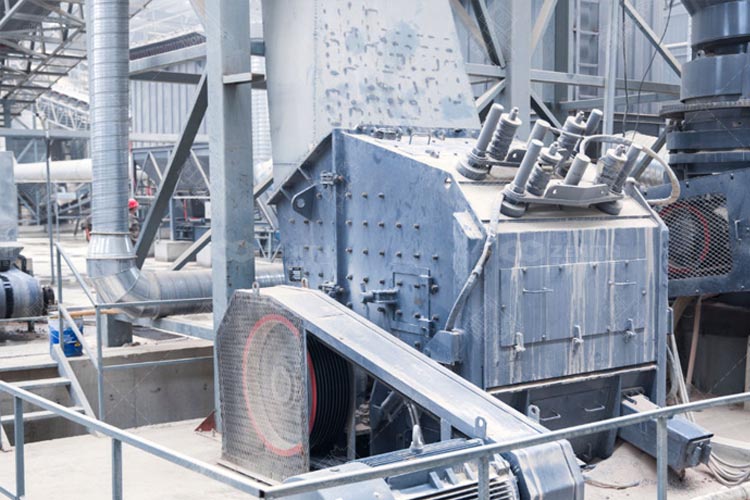
- Overview: Impact crushers use high-speed rotating hammers (blow bars) to strike concrete against impact plates, breaking material along its natural cleavage lines.
- Key Specifications: Handles feed sizes up to 300–500 mm; high reduction ratio (up to 20:1); produces highly cubical output.
- Concrete Recycling Advantage: Excellent for secondary crushing and asphalt/concrete recycling where aggregate shape matters. The high-impact force efficiently separates concrete paste from embedded aggregate and loosens light rebar.
- Limitations & Consideration: High wear rate on blow bars when processing highly abrasive materials or heavy, thick steel rebar, requiring frequent maintenance compared to jaw crushers.
3. Cone CrushersGet Latest Price
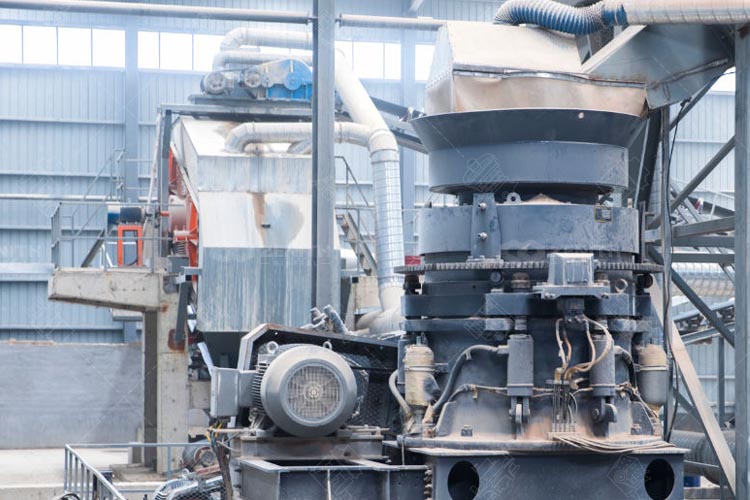
- Overview: Cone crushers crush concrete by squeezing material between an eccentrically gyrating mantle and a stationary concave liner using continuous compressive force.
- Key Specifications: Accepts feed sizes below 200 mm; delivers precise closed-side setting (CSS) control for fine aggregate sizing.
- Concrete Recycling Advantage: Ideal for processing tough, highly abrasive concrete mixes (such as high-strength granite or river-pebble aggregate concrete). It produces uniform, fine-grade gravel for secondary or tertiary crushing circuits.
- Limitations: Requires clean feed with minimal steel content; long rebar or uncrushable tramp iron can bridge or damage the crushing chamber, so primary jaw crushing and magnetic separation are mandatory upstream.
4. Gyratory Crushers
- Overview: A Gyratory Crusher features a tall, steep crushing cavity with a heavy central mantle gyrating inside a concave shell, designed for continuous, high-tonnage primary crushing.
- Key Specifications: Massive feed opening (up to 1,500 mm+); extremely high throughput capacity (1,000–5,000+ tons per hour).
- Concrete Recycling Advantage: Suitable for large-scale central concrete recycling hubs receiving massive volumes of slab waste, foundations, and bridge piers continuously without bridging.
- Limitations: High capital investment and permanent foundation requirement make it impractical for on-site demolition or small-to-medium recycling operations.
5. Roller Crushers
- Overview: Roller crushers break concrete by passing material between two counter-rotating cylinders (smooth or toothed) that compress and shear the feed.
- Key Specifications: Handles small-to-medium feed sizes; low speed with high shearing torque; minimal dust generation.
- Concrete Recycling Advantage: Ideal for crushing smaller concrete blocks, masonry, bricks, and mortar waste with low power consumption and precise top-size control without over-crushing into unwanted fines.
- Limitations: Vulnerable to severe surface wear and tooth damage if uncrushable metal/rebar enters the crushing gap without a tramp iron release mechanism.
6. Hammer Crushers
- Overview: Hammer crushers feature a rotor equipped with swinging hammers that shatter soft concrete, masonry, and bricks against stationary breaker plates at high speed.
- Key Specifications: High speed rotor; integrated bottom grate/screen bars to strictly control final product size.
- Concrete Recycling Advantage: Highly efficient at breaking down lightweight concrete, brick mixtures, and mortar into fine aggregate or road base material in a single pass.
- Limitations: High hammer wear when handling hard, high-strength concrete; rebar can easily tangle around the swinging hammers or clog the bottom discharge grate.
7. Portable CrusherGet Latest Price
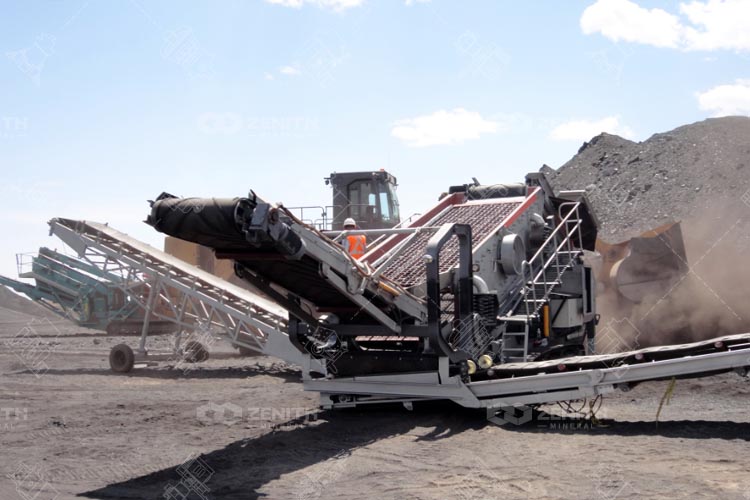
In addition to these types of concrete crushers, there are also portable crushers that are used to crush concrete on-site. Unlike stationary concrete crushers, which are typically mounted on a fixed location, portable concrete crushers are designed to be easily transported from one location to another. They are typically mounted on a trailer, and they are equipped with wheels or tracks for easy movement. This makes them ideal for use in projects where the concrete needs to be crushed on-site, such as in demolition projects or in recycling operations.
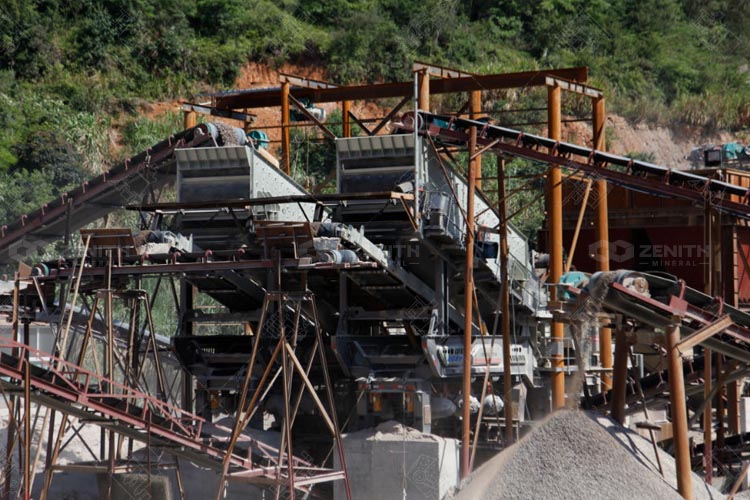
There are several benefits to using a portable concrete crusher in demolition and construction projects. One of the main benefits is that it allows for the convenient on-site crushing of concrete, which can save time and money compared to transporting the concrete off-site to be crushed. Another benefit is that it can be easily moved to different locations as needed, which makes it ideal for use in projects where the concrete needs to be crushed in multiple locations.
In addition to their convenience and mobility, portable concrete crushers are also known for their high productivity and efficiency. They are able to process large amounts of material quickly and efficiently, which helps to minimize downtime and increase the overall productivity of a project.
How to Choose the Right Concrete Crusher for Your Project
Selecting the ideal concrete crushing equipment depends on your raw material composition, target output size, and operational mobility:
- For Heavy Reinforced Concrete (High Rebar): Choose a Jaw Crusher for primary reduction to prevent steel wrapping, followed by a magnetic separator.
- For High-Quality Cubical Road Base: Opt for an Impact Crusher to achieve superior aggregate shape and paste separation.
- For Hard & Abrasive Concrete Recyclables: Use a Cone Crusher for efficient secondary/tertiary fine crushing with low wear rates.
- For On-Site Demolition & Zero Haulage Costs: Deploy a Mobile Crushing Plant (Tracked/Wheeled) to process material directly at the job site.
Frequently Asked Questions (FAQ)
Q: Can I use an Impact Crusher for concrete recycling?
A: Yes, Impact Crushers are ideal for secondary crushing. They produce superior cubical aggregate shapes suitable for asphalt and new concrete mixes, though blow bars require frequent maintenance when processing high-rebar feed.
Q: How do you handle steel rebar in recycled concrete?
A: Primary jaw crushers allow rebar to pass freely without jamming. Integrating an over-band magnetic separator onto the discharge conveyor efficiently removes up to 98% of embedded steel.


 24/7 Online