
 WhatsApp
Stone crushers are essential equipment in the mining and construction industries, where they are used to crush large rocks into smaller aggregates for various applications. However, like any machinery, stone crushers can encounter problems that affect their performance and efficiency. Understanding these common issues and their solutions is crucial for maintaining optimal operation and minimizing downtime. This article outlines some of the most frequent problems faced by stone crushers and provides effective solutions to ensure smooth operation.
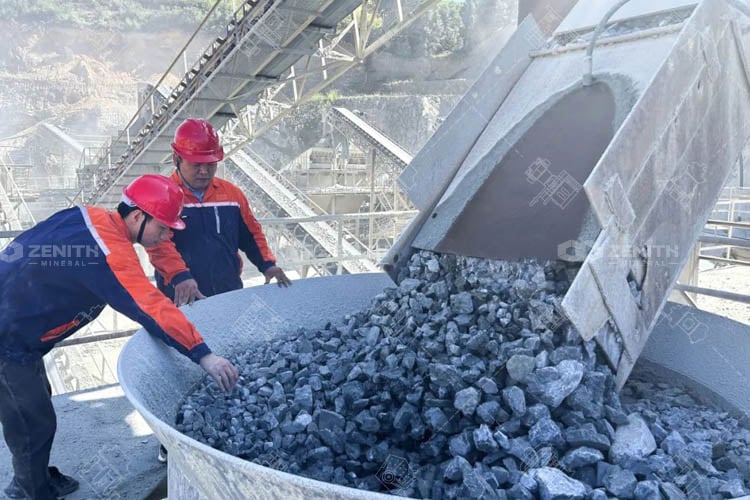
Common Problems and Solution in Stone Crushers
1. Excessive Vibration
Problem:
Excessive vibration can lead to premature wear of components, misalignment, and even catastrophic failure of the crusher. This issue is often caused by an unbalanced load, worn-out bearings, or loose mounting.
Solution:
- Balance the Load: Ensure that the material being fed into the crusher is evenly distributed. This can be achieved by using a feeder that regulates the feed rate.
- Inspect and Replace Bearings: Regularly check the bearings for wear and replace them as necessary. Proper lubrication is also essential to prevent overheating and wear.
- Tighten Mounting Bolts: Ensure that all mounting bolts and connections are secure. Regularly inspect these components and tighten them as needed.
2. Overheating
Problem:
Overheating can occur due to excessive load, inadequate lubrication, or blocked cooling systems. This can lead to severe damage to the crusher, including melted components and reduced efficiency.
Solution:
- Check Lubrication Levels: Regularly inspect and maintain proper lubrication levels. Use the recommended type of lubricant and ensure that it is free from contaminants.
- Monitor Load Conditions: Avoid overloading the crusher by adhering to the manufacturer's specifications regarding maximum feed size and capacity.
- Ensure Adequate Cooling: Check that cooling systems are functioning correctly and free from blockages. Clean any dust or debris that may obstruct airflow.
3. Clogging of the Crusher
Problem:
Clogging occurs when material builds up in the crushing chamber, preventing proper operation. This can be caused by oversized material, wet or sticky materials, or a malfunctioning feeder.
Solution:
- Use Appropriate Feed Size: Ensure that the material being fed into the crusher meets the recommended size specifications. Utilize a pre-screening process to separate oversized materials.
- Adjust the Feeder: If the feeder is not functioning correctly, adjust its settings or replace it if necessary. Consider using a vibrating feeder to improve material flow.
- Regular Cleaning: Implement a regular cleaning schedule to remove any accumulated material from the crushing chamber.
4. Inconsistent Product Size
Problem:
An inconsistent product size can result from improper settings, worn-out parts, or fluctuations in feed material. This can lead to quality issues in the final product.
Solution:
- Adjust Settings: Regularly check and adjust the crusher settings, including the gap between the crushing plates, to achieve the desired product size.
- Inspect Wear Parts: Monitor the condition of wear parts, such as liners and hammers, and replace them as needed to maintain consistent crushing performance.
- Control Feed Material: Implement a quality control process to ensure that the material being fed into the crusher is consistent in size and composition.
5. Unusual Noises
Problem:
Unusual noises, such as grinding or clanking, can indicate mechanical issues, such as worn bearings, loose components, or foreign objects in the crusher.
Solution:
- Conduct Regular Inspections: Perform routine inspections to identify any worn or damaged components. Replace or repair parts as necessary.
- Check for Foreign Objects: Regularly inspect the crushing chamber for foreign objects that may have entered the crusher. Remove any debris that could cause damage.
- Tighten Loose Components: Ensure that all bolts and connections are secure. Tighten any loose components to prevent further damage.
6. Low Production Output
Problem:
Low production output can be attributed to various factors, including equipment malfunction, improper settings, or poor material quality.
Solution:
- Optimize Crusher Settings: Adjust the crusher settings to achieve optimal performance. This may include changing the speed, gap settings, or feed rate.
- Regular Maintenance: Implement a regular maintenance schedule to ensure that all components are functioning correctly. This includes checking wear parts and lubrication levels.
- Evaluate Material Quality: Assess the quality of the material being processed. Ensure that it meets the specifications required for efficient crushing.
7. Electrical Issues
Problem:
Electrical problems, such as blown fuses, faulty wiring, or malfunctioning control panels, can lead to equipment failure and downtime.
Solution:
- Inspect Electrical Components: Regularly check all electrical connections, wiring, and components for signs of wear or damage. Replace any faulty parts immediately.
- Ensure Proper Grounding: Verify that the electrical system is properly grounded to prevent electrical shorts and ensure safe operation.
- Use Quality Electrical Components: Invest in high-quality electrical components to reduce the risk of failures and ensure reliable performance.
Preventative Maintenance Strategies
To minimize the occurrence of these common problems, implementing a robust preventative maintenance plan is crucial. The following strategies can help:

1. Regular Inspections
Schedule routine inspections of all key components, including the hydraulic system, belts, and motors. This practice helps identify potential problems early and ensures all systems are functioning correctly.
2. Lubrication Schedule
Establish a detailed lubrication schedule based on the manufacturer’s recommendations. Use high-quality lubricants and ensure that all moving parts are well-lubricated to reduce friction and wear.
3. Operator Training
Train operators on best practices and proper operating procedures. Understanding the machine’s limits and the correct feeding techniques can prevent many common issues from arising.
4. Component Upgrades
Invest in upgraded components when necessary. Using higher-quality materials and advanced technology can enhance the durability and efficiency of the stone crusher.
5. Monitoring Systems
Implement monitoring systems that provide real-time data on the machine's performance. These systems can alert operators to issues such as overheating, abnormal vibrations, and hydraulic pressure fluctuations, allowing for immediate corrective action.
6. Scheduled Downtime for Maintenance
Plan for scheduled downtime specifically for maintenance tasks. This proactive approach allows for in-depth inspections and repairs without affecting production schedules.
7. Parts Inventory Management
Maintain a well-organized inventory of critical spare parts. This ensures that replacements are readily available, minimizing downtime when repairs are necessary.
8. Documentation and Record-Keeping
Keep detailed records of maintenance activities, repairs, and inspections. This not only helps track performance over time but also provides valuable insight into recurring issues that may need to be addressed.
Regular maintenance and prompt attention to common problems can significantly enhance the performance and longevity of stone crushers. By understanding the potential issues and implementing effective solutions, operators can minimize downtime, improve product quality, and ensure efficient operation. Establishing a routine maintenance schedule, conducting regular inspections, and addressing issues as they arise will contribute to a more productive and reliable crushing operation.



 24/7 Online