For quarry operators and aggregate suppliers across Southeast Asia, participating in major infrastructure projects—like highways, airport runways, or high-rise commercial buildings—comes with a strict prerequisite: your aggregates must meet ASTM C33 standards.
Producing crushed stone is easy. Producing spec-compliant crushed stone is a science. If your coarse aggregates are too flaky, or your manufactured sand (M-Sand) lacks the proper fineness modulus, your entire truckload will be rejected by the batching plant.
This guide breaks down the exact crushing and screening flowsheet required to consistently produce ASTM C33 compliant concrete aggregates.
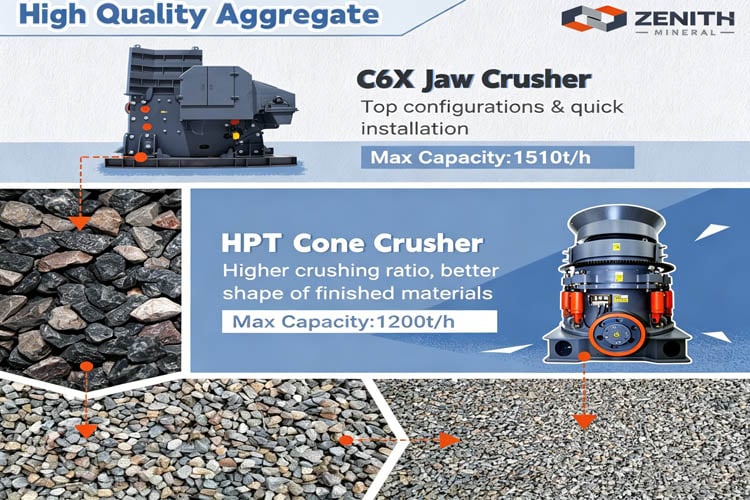
Published by the American Society for Testing and Materials, ASTM C33 acts as the gold standard for evaluating concrete aggregates worldwide. It establishes stringent quality and grading criteria for both fine and coarse materials, guaranteeing that the final concrete mix delivers maximum structural integrity, longevity, and performance in critical infrastructure projects.
To guarantee consistency across every batch produced at your batching plant, ASTM C33 establishes strict dimensional boundaries, dividing materials into two primary categories:
To meet this baseline, your crushing plant must strictly control three critical variables:
To achieve the perfect gradation curve and cubical shape—especially when processing hard abrasive rocks like basalt or granite—a single or double-stage crushing setup is rarely enough. You need a properly configured multi-stage closed-circuit system.
The goal of the primary stage is purely size reduction to prepare the rock for the secondary circuit.
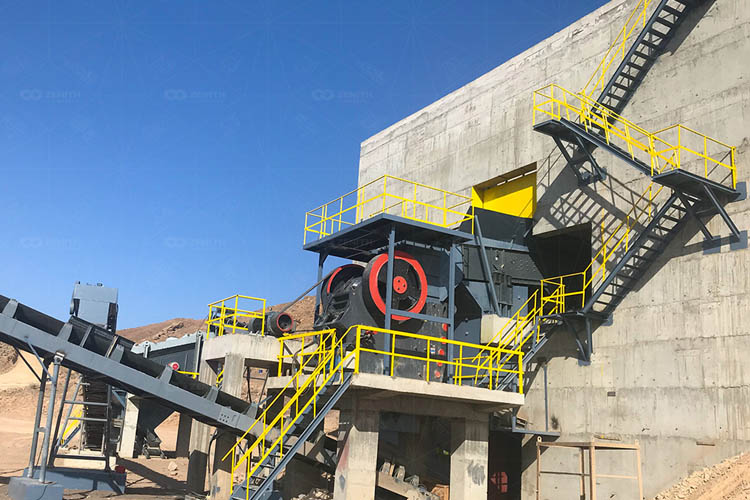
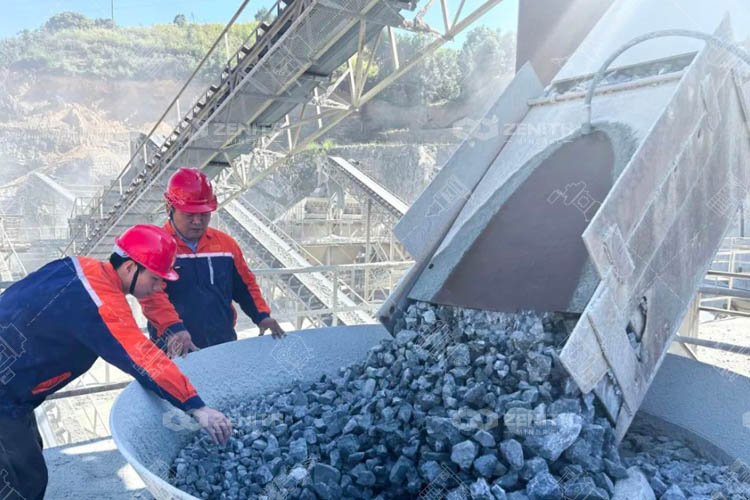
Here, the rock is reduced to an intermediate size (usually under 40mm).
This is where average quarries fail and top-tier quarries succeed. To fix the flakiness index and produce ASTM-compliant Manufactured Sand (M-Sand), you must reshape the stone.
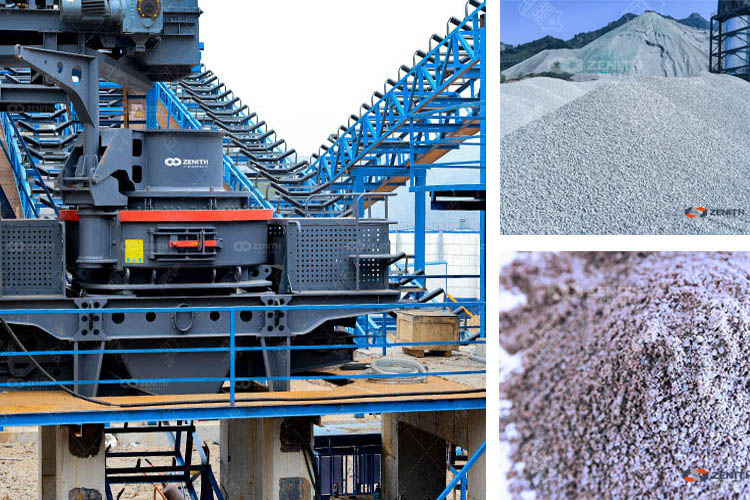
You cannot achieve the ASTM C33 envelope curve without high-precision screening.
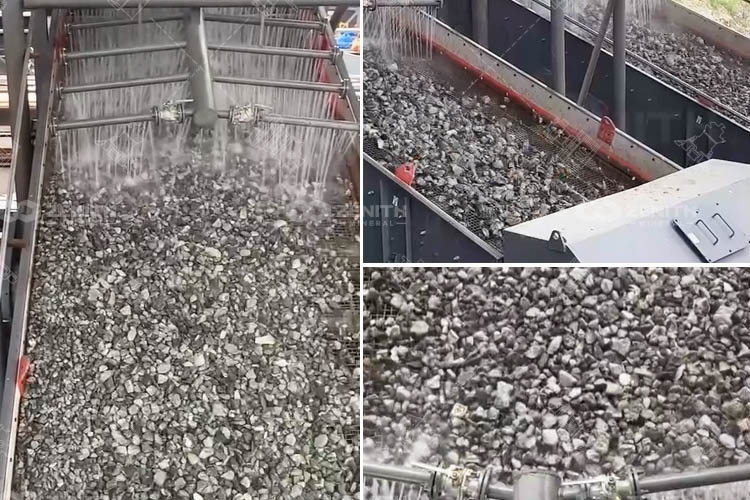
During a recent plant optimization project for a highway contractor in Vietnam, the client was facing repeated aggregate rejections due to a high flakiness index in their 10-20mm coarse aggregate.
Their original setup bypassed a shaping stage. By integrating a VSI Crusher at the tail end of their circuit and adjusting the vibrating screen's amplitude, we reduced their flakiness index from an unacceptable 22% down to just 8%. The resulting cubical aggregates immediately passed the batching plant's ASTM C33 inspection, and the contractor was able to command a 15% premium on their selling price.
A: While standard impact crushers do produce a good cubical shape, they are highly inefficient for crushing hard, abrasive rocks like granite, basalt, or river stone. The blow bars will wear out rapidly, leading to crippling maintenance costs. For hard rock, using a Cone Crusher paired with a VSI Crusher for the final shaping is the only cost-effective way to meet ASTM standards.
A: The top two reasons for rejection at the batching plant are a high flakiness/elongation index in coarse aggregates and excessive micro-fines (dust) in manufactured sand. Both of these issues are symptoms of an incomplete crushing circuit that lacks proper tertiary shaping (VSI) and precise washing or classification.
A: The Fineness Modulus is directly controlled by adjusting the rotor speed and the cascade feeding ratio of your VSI crusher. Higher rotor speeds generally yield finer material. Additionally, selecting the exact right mesh size for your vibrating screen is crucial for cutting off oversized particles and maintaining an FM between the ideal 2.3 and 3.1 range.
A: If your raw rock has a high clay content, or if your crushing process generates more micro-fines than the ASTM limit allows (typically passing the No. 200 sieve), a washing machine (spiral or wheel type) is essential. It removes the clay and excess dust that would otherwise weaken the concrete bond and increase cement consumption.
Don't let poor equipment layout cost you lucrative infrastructure contracts. Achieving ASTM C33 compliance requires a mathematical approach to plant design.
[Download Free Aggregates Production Solution for Contractors] to learn how top construction firms configure their plants to guarantee ASTM C33 compliance with zero rejections or contact the ZENITH engineering team today for a free evaluation of your current crushing flowsheet. We can help you pinpoint exactly where your gradation is failing and provide a targeted equipment upgrade plan.


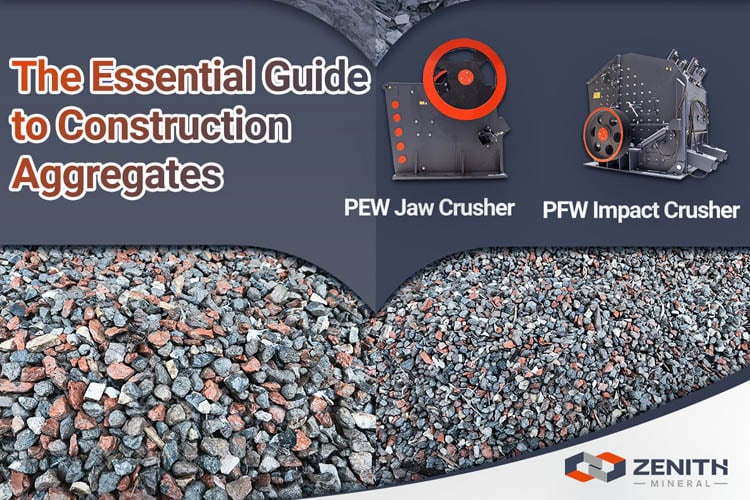
This guide explores construction aggregates types, uses, production, and key properties, offering a comprehensive look at this fundamental building block.
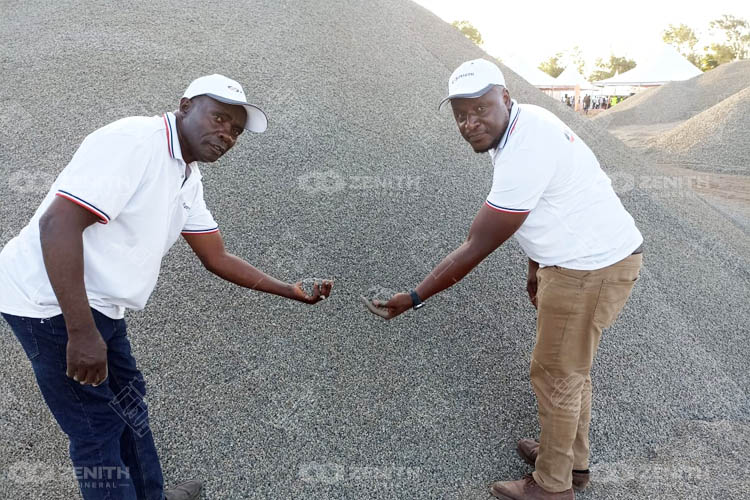
The selection of aggregates crushers represents a critical technical decision that directly determines operational efficiency, product quality, and economic viability in aggregate production.
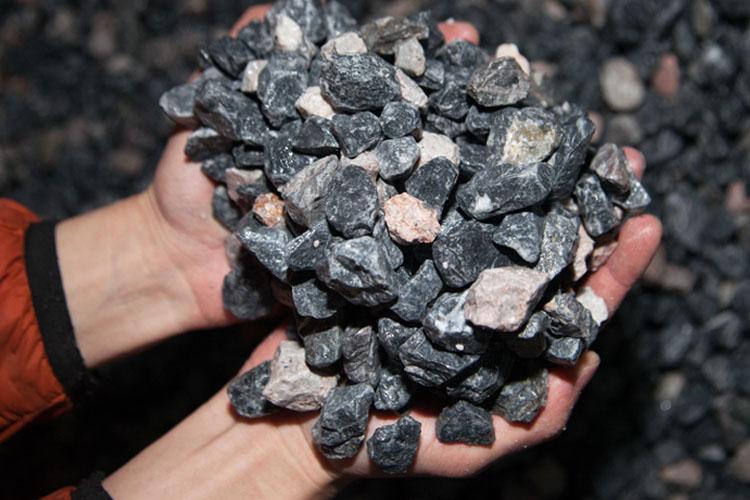
This article delves into practical methods to improve aggregate shape, covering raw material selection, optimal crushing equipment, process optimization and quality control.
Fill your requirements here, and we'll send the custmized solution and quotation to you by the reserved contact information.
Copyright ©2000-2026 SHANGHAI ZENITH MINERAL CO.,LTD.

 WhatsApp




 24/7 Online