As the global construction industry booms—driven by mega-infrastructure projects, smart cities, and massive hydroelectric dams—the demand for high-quality concrete aggregates has skyrocketed. However, the world is facing a critical bottleneck: the depletion of natural river sand.
Tightening environmental regulations and volatile supply chains have forced large-scale contractors and quarry operators to pivot toward Manufactured Sand (M-Sand). But producing M-Sand for a local housing project is vastly different from supplying a multi-billion-dollar highway or high-speed railway.
When your project demands 500 to 1,000+ Tons Per Hour (TPH) of premium, perfectly graded sand, standard crushers simply will not cut it. You need industrial-grade reliability, precise particle shape control, and optimized OPEX.
Here is the definitive guide to selecting the best sand crushing equipment for large-scale operations.
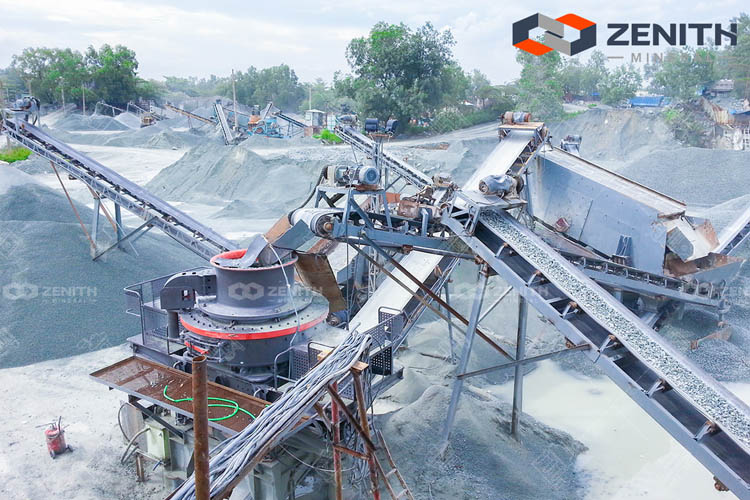
Before selecting equipment, it is crucial to understand exactly what you are producing and the strict standards it must meet.
Manufactured sand is produced by crushing hard rock—typically granite, basalt, limestone, or river pebbles—through a series of specialized crushing and screening stages to produce particles that meet exact grading standards.
Unlike natural river sand, which is depleting and highly variable, high-quality M-sand offers distinct advantages:
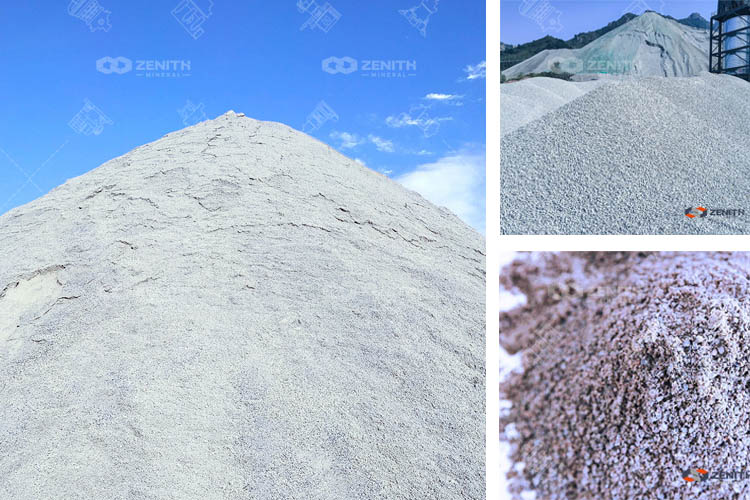
Large infrastructure projects demand strict adherence to standards. Key parameters include:
| Parameter | Specification | Importance |
|---|---|---|
| Particle Shape | Cubical, flakiness index < 15% | Concrete strength and workability |
| Gradation | Zone I or II as per IS 383 / ASTM C33 | Consistent concrete mix design |
| Fines Content | 10-20% (150 micron passing) | Workability and cohesion |
| Soundness | < 12% (sodium sulfate test) | Durability in harsh environments |
| Clay Content | < 1% | No adverse effect on concrete |
In large-scale concrete production, the quality of the sand dictates the strength, workability, and cost of the final concrete mix. If your crusher produces flaky, elongated, or overly dusty sand, the concrete will require more water and cement to bind properly. In a mega-project, a 5% increase in cement usage due to poor sand quality can cost millions of dollars.
Therefore, large-scale sand crushing equipment must deliver on three non-negotiable fronts:
If you are setting up a large-scale sand plant, the heart of your operation will be the Vertical Shaft Impact (VSI) Crusher.
While Jaw Crushers and Cone Crushers are excellent for primary and secondary reduction, they rely on compression crushing, which inherently produces a high percentage of flat and elongated particles. The VSI, however, uses impact crushing—specifically, the "Rock-on-Rock" principle.
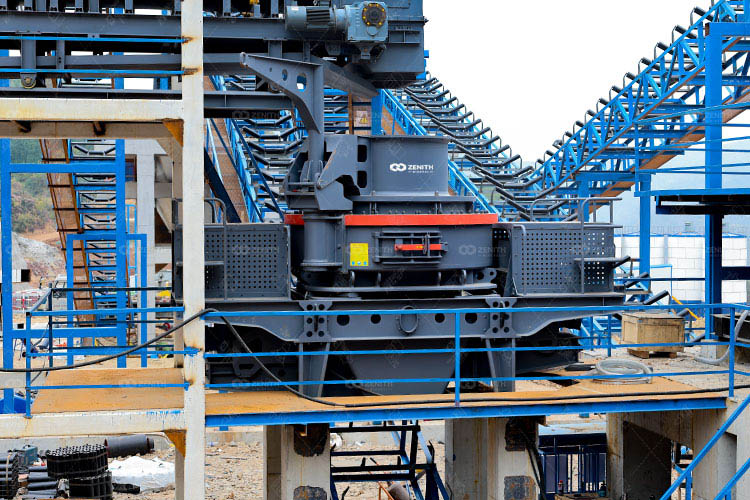
In a VSI crusher, the feed material drops into a high-speed spinning rotor. The rotor acts like a centrifuge, accelerating the rocks and hurling them outward at extreme velocities (up to 80 meters per second) into a crushing chamber lined with a bed of the same rock.
For projects exceeding 300 TPH, look for advanced VSI models that feature:
Crushing the rock into sand is only half the battle. The VSI process naturally generates rock dust (micro-fines < 0.075mm). While a small amount of dust (5-7%) improves concrete workability, too much will ruin the mix.
For large-scale projects, you must choose a highly efficient fines-management system. The choice depends entirely on your project's location and environmental constraints.
If you are supplying a mega-project, traditional flat-layout crushing plants take up massive amounts of land and create significant dust pollution. The modern solution for top-tier investors is the VU Tower-like Sand Making System.
These systems enclose the VSI crusher, vibrating screens, air classifiers, and dust collectors into a single, vertical, environmentally sealed building.
When evaluating quotes for a 500+ TPH sand plant, do not be blinded by the initial Capital Expenditure (CAPEX). In the aggregates business, Operating Expenditure (OPEX) dictates your survival.
A cheaper, low-quality VSI might save you $50,000 upfront, but if its rotor requires new wear parts every 48 hours, the cost of downtime, labor, and replacement parts will erase those savings within the first three months.
Supplying a large-scale infrastructure project requires more than just buying a crusher; it requires a perfectly engineered system tailored to your specific rock type, environmental constraints, and final product specifications.
At ZENITH, our engineering team specializes in designing high-capacity, heavy-duty M-Sand production lines for the world's most demanding projects.
Don't leave your project's profitability to chance. Provide us with your target capacity (TPH) and raw material type, and our experts will provide you with a Free Customized 3D Plant Layout and Comprehensive ROI Analysis.


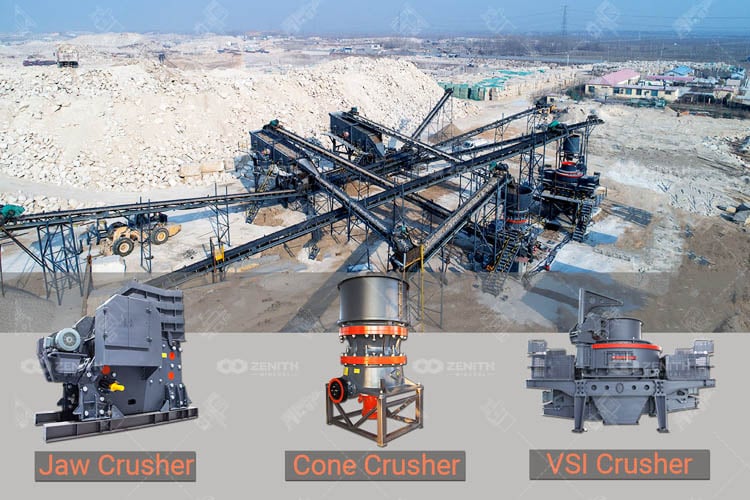
Transforming hard quartz rock into high-purity silica sand involves a multi-stage process of mining, crushing, grinding, and beneficiation to achieve the desired purity, grain size, and physical properties.

Manufactured sand refers to rock, mine tailings, or industrial waste particles with a particle size of less than 4.75mm. Replacing natural sand with manufactured sand has become an inevitable trend in industry development.
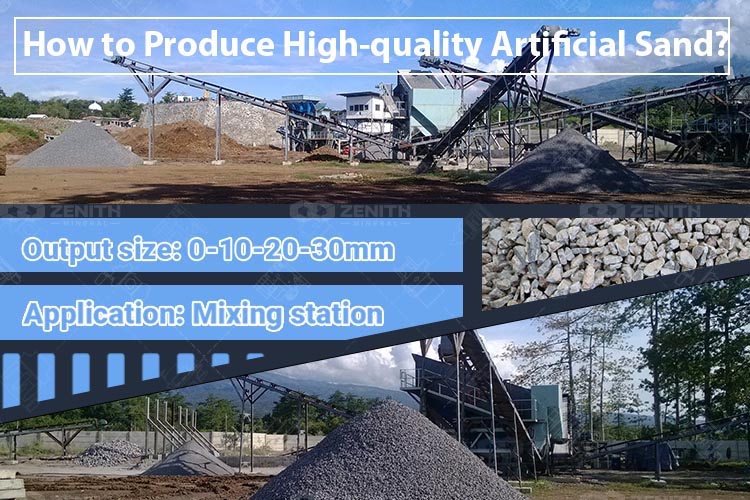
Developing high-quality machine-made sand with stable output capacity and quality to replace river sand can not only solve the imbalance between supply and dema
Fill your requirements here, and we'll send the custmized solution and quotation to you by the reserved contact information.
Copyright ©2000-2026 SHANGHAI ZENITH MINERAL CO.,LTD.

 WhatsApp

 24/7 Online