
 WhatsApp
Conveyor belt systems are the backbone of countless industrial operations globally, facilitating the efficient movement of materials across diverse sectors, from mining and manufacturing to logistics and agriculture. The reliable operation of these systems hinges critically on proper belt tracking. A mistracking conveyor belt can lead to a cascade of costly problems, including premature belt wear, structural damage to the conveyor frame, spillage of conveyed material, unscheduled downtime, and, most importantly, severe safety hazards to personnel. This comprehensive guide provides professionals with a detailed understanding of conveyor belt tracking, its common causes of deviation, systematic inspection protocols, and precise adjustment procedures to ensure optimal performance and longevity of the conveyor system.
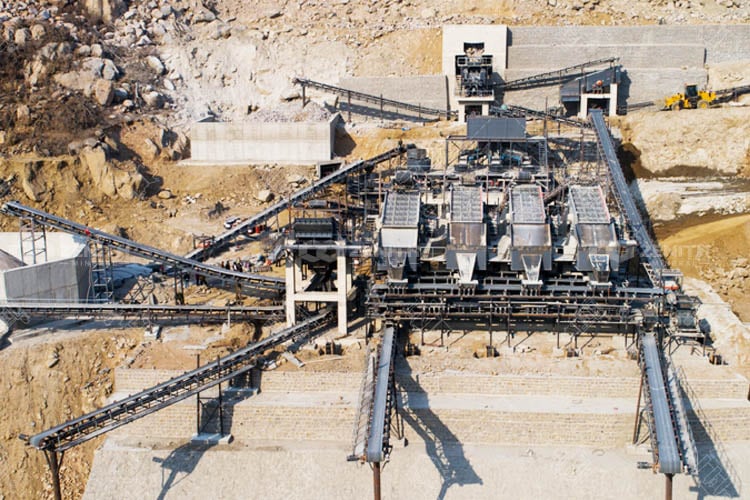
1. The Importance of Proper Belt Tracking
Proper belt tracking is the process of ensuring that a conveyor belt runs consistently along the centerline of the conveyor frame without deviation, consistently contacting the pulleys and idlers squarely across its width. When a conveyor belt tracks correctly, it maximizes the lifespan of the belt and components, minimizes material spillage, reduces energy consumption, and enhances overall operational safety and efficiency. Conversely, poor tracking can result in:
- Belt Edge Damage: Constant rubbing against the frame, skirt boards, or other stationary components.
- Component Wear: Accelerated wear on idler rollers, pulleys, and bearings due to uneven loading.
- Material Spillage: Loss of conveyed product leading to cleanup costs, potential equipment damage, and environmental issues.
- Structural Damage: Distortion or fatigue of the conveyor frame From persistent uneven forces.
- Unscheduled Downtime: Forcing emergency repairs and impacting production schedules.
- Safety Hazards: Risk of entanglement, crushing injuries, or product falling from the conveyor.
Understanding the underlying principles and systematic adjustment methodologies is paramount for any maintenance or operations professional involved with conveyor systems.
2. Fundamentals of Belt Tracking: How Belts Behave
A conveyor belt, at its core, is a dynamic system. Its movement is influenced by a multitude of static and dynamic forces. The fundamental principle governing belt tracking is that a belt will always move towards the side of a pulley or idler that it contacts first, or towards the side of a pulley or idler that is lagging (further back in the direction of belt travel) or tilted down relative to the belt's direction of travel. Conversely, the belt moves away from the leading or tilted-up side. This behavior forms the basis for all tracking adjustments.
Key components influencing tracking include:
- Pulleys (Head, Tail, Drive, Snub, Take-up): These are rotating drums that support and drive the belt, or change its direction. Their alignment is crucial.
- Idlers (Carrying, Return, Training): Rollers that support the belt and the material on the carrying side, and support the empty belt on the return side. Training idlers are specifically designed to aid tracking.
- Conveyor Frame: The structural integrity and levelness of the frame directly impact the alignment of all components.
- The Belt Itself: Its condition, splice quality, and natural camber play a significant role.
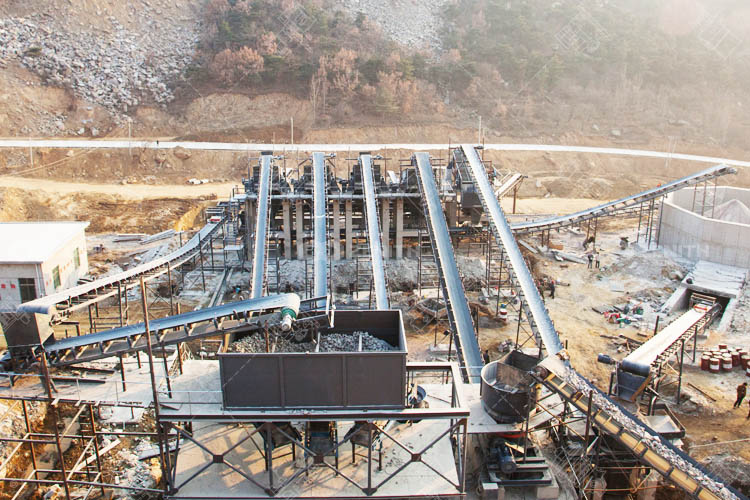
3. What Causes Your Conveyor Belt to Mistrack?
Mistracking is rarely due to a single fault but often a combination of factors. A thorough understanding of these causes is the first step towards effective troubleshooting.
3.1. Misaligned Pulleys
Pulleys are the primary drivers and directional changers of the belt. Any deviation from perpendicularity to the conveyor centerline will cause the belt to track to one side.
- Drive Pulley: Often the most critical. If the drive pulley is not perfectly square to the belt, it will continuously pull the belt off-center.
- Tail Pulley: Often the first point of serious tracking adjustment. Misalignment here heavily influences the incoming belt path.
- Snub/Bend Pulleys: Used to change belt direction or increase wrap angle on the drive pulley. Their misalignment can cause local tracking issues.
- Take-up Pulley (for gravity or screw take-ups): While primarily for tension, its alignment directly impacts tracking, especially as it moves.
3.2. Misaligned Idlers
Idlers support the belt and material load. Even slight misalignment of multiple idlers can cumulatively force the belt off-center.
- Carrying Idlers (Troughing Idlers): Improper pitch, skew, or height of individual rollers within a troughing set.
- Return Idlers: Flat or V-return idlers, if not installed perfectly perpendicular and level.
- Worn Idlers: Sticking or seized idlers, or idlers with worn bearings, create friction and drag, pulling the belt.
3.3. Improper Belt Splice/Joint
The quality and squareness of the belt splice are paramount.
- Out-of-Square Splice: If the belt ends are not cut perfectly square before splicing, the splice will always introduce an imbalance, causing the entire belt to track to one side.
- Poorly Executed Splice: Uneven thickness, rigidity, or texture across the splice can create differential tension and friction.
- Damaged Splice: A splice that has started to fail or delaminate can also cause localized tracking issues.
3.4. Uneven Belt Tension
Proper belt tension is essential for good tracking and efficient power transmission.
- Insufficient Tension: Causes belt slip on drive pulleys and makes the belt more susceptible to external forces, leading to wandering.
- Excessive Tension: Can overstress the belt and components, but generally doesn't cause mistracking itself unless unevenly applied.
- Uneven Take-up Adjustment: On screw take-ups, if one side is tightened more than the other, it skews the tail pulley, causing tracking problems.
3.5. Belt Edge Damage/Wear
Physical damage to the belt edges can significantly disturb tracking.
- Frayed or Damaged Edges: Creates an uneven surface and frictional properties, often leading to the damaged side tracking away from the center.
- Uneven Belt Wear: Long-term uneven loading or previous mistracking can wear one side of the belt more than the other, altering its flexibility and tracking characteristics.
3.6. Material Build-up
Accumulation of conveyed material on various components can act as a localized obstruction.
- Pulley Lagging Buildup: Material sticking to pulley lagging effectively changes the pulley's diameter and shape, producing a crown or taper that forces the belt off-center.
- Idler Buildup: Material buildup on troughing or return idlers can impede their free rotation or create an uneven contact surface.
- Skirt Board Buildup: Material trapped between the belt and skirt boards creates friction and can push the belt.
3.7. Conveyor Frame Distortion/Settlement
The entire conveyor structure must be rigid, level, and square.
- Uneven Settlement: Foundation issues or ground settlement can cause parts of the frame to sag or twist.
- Structural Damage: Bent or damaged cross-members or stringers can throw components out of alignment.
- Improper Installation: If the frame itself was not installed level and square, all subsequent component alignments will be compromised.
3.8. Improper Loading
The way material is loaded onto the belt significantly influences tracking, especially on troughed belts.
- Off-Center Loading: If material consistently loads to one side of the belt, it creates uneven weight distribution and pressure, causing the belt to track towards the heavier side.
- Shock Loading: Heavy, abrupt loading can temporarily distort the belt and idlers.
3.9. Environmental Factors
External conditions can also play a role.
- Wind: Strong crosswinds can push lightweight belts, particularly on exposed return runs.
- Moisture/Ice: Can alter friction coefficients or accumulate on components, leading to tracking issues.

4. Pre-Adjustment Inspection and Safety Protocols
Before attempting any adjustments, a thorough inspection and adherence to safety protocols are mandatory. This phase is crucial for correctly diagnosing the root cause and ensuring a safe working environment.
4.1. Safety First: Lockout/Tagout (LOTO)
ALWAYS apply Lockout/Tagout (LOTO) procedures before conducting any hands-on inspection or adjustment of conveyor components, especially when working near moving parts. The only exception should be controlled observation of a moving belt for diagnostic purposes, performed by trained personnel from a safe distance.
4.2. Visual Inspection (Static and Dynamic)
Static Inspection (LOTO Engaged):
- 1. Entire Conveyor Belt: Inspect both edges for fraying, cuts, delamination, or excessive wear. Check the condition of the top cover and bottom cover.
- 2. Belt Splice: Examine the splice for squareness, integrity, evenness, and any signs of failure. Measure its width compared to the main belt.
- 3. Pulleys: Inspect all pulleys (drive, tail, snub, take-up) for material buildup on the lagging, wear, and overall condition. Check the condition of the lagging itself.
- 4. Idlers: Examine all carrying and return idlers. Ensure they rotate freely without excessive drag or noise. Check for material buildup, bent frames, or worn rollers.
- 5. Conveyor Frame: Inspect the entire frame for signs of distortion, bending, sagging, or loose connections. Verify that the frame is level and square using a spirit level and measuring tape/laser.
- 6. Skirt Boards & Scrapers: Check that skirt boards are properly aligned and not excessively rubbing the belt. Ensure scrapers are clean and functioning effectively to prevent buildup.
- 7. Loading Point: Observe the chute and loading area for even material distribution.
Dynamic Inspection (Under Controlled Operation - No LOTO):
- 1. Observe Tracking Path: Start the conveyor empty and observe the belt's path along its entire length, both carrying and return sides. Note exactly where and how it deviates. Does it wander? Does it consistently favor one side?
- 2. Loaded vs. Unloaded: If the belt tracks differently when loaded, observe it under normal operating loads to identify where the issues arise. Off-center loading is often revealed here.
- 3. Pulley Movement: Watch the belt approaching and leaving pulleys. Does it enter squarely? Does it shift significantly on the pulley face?
- 4. Idler Rotation: Visually confirm that all idlers are rotating freely as the belt passes over them. Sticking idlers are often audibly noticeable or visibly static.
4.3. Measurements
- Belt Tension: Verify actual belt tension against specifications. Adjust if necessary, ensuring even tension across the belt width, especially for screw take-ups.
- Pulley Squareness: Use a plumb bob and measuring tape or a laser alignment tool to check if drive and tail pulleys are truly square to the conveyor centerline.
- Idler Alignment: Spot-check a selection of idlers for perpendicularity to the frame.
5. Principles of Belt Tracking Adjustment
Effective adjustment requires a systematic approach and an understanding of how each component affects the belt.
- Small, Gradual Adjustments: Never make large adjustments. Small changes have significant effects. Make a small adjustment (e.g., 1/8 to 1/4 turn on a tensioning screw, or a slight tap on an idler bracket), then observe the belt's response over several revolutions.
- Allow Time for Response: The belt is long and takes time to respond to changes. Do not rush.
- One Adjustment at a Time: Isolate the effect of each adjustment. Changing multiple components simultaneously makes it impossible to determine which change had which effect.
- Start Downstream and Work Upstream (General Rule): For return-side tracking, start at the tail pulley and work towards the drive. For carrying-side tracking, it's often more effective to start near the source of the problem or with major pulleys.
- Lead with the Tailing Pulley: The tail pulley is often the primary initial adjustment point for overall belt squareness, as it dictates how the belt is fed onto the system.
- Adjusting Fixed Pulleys (Drive) is Generally a Last Resort: Drive pulleys are critical for power transmission and should be perfectly square. If a drive pulley is the cause of mistracking, it likely indicates a severe installation error or structural issue.
6. How to Adjust ConveyorBelt Tracking?
The following procedures detail how to adjust common conveyor components to achieve optimal tracking. Always refer to the conveyor manufacturer's specific manual for detailed instructions and safety precautions.
6.1. Tail Pulley Adjustment
The tail pulley's alignment is critical as it dictates how the belt enters the carrying run. Most tail pulleys are part of a take-up unit, allowing for tension and alignment adjustments.
- Symptom: The entire belt (or heavily the carry side) consistently tracks to one side, especially from the tail end.
- Procedure (for screw take-up systems):
- 1. Identify Deviation: Observe which side the belt is running off towards at the tail pulley.
- 2. Adjust the Lagging Side: To move the belt towards the operator, tighten the screw on the side where the belt is leading off or running towards. This effectively moves that side of the pulley forward, causing the belt to track away from it.
- 3. Example: If the belt is tracking consistently to the left (when looking in the direction of belt travel from the tail end), this means the left side of the tail pulley is effectively lagging. To pull the belt back to the right, you would slightly tighten the right-hand take-up screw (moving that side forward).
- 4. Small Increments: Make 1/8 to 1/4 turn adjustments only.
- 5. Observe and Repeat: Allow several belt revolutions for the change to take effect. If necessary, repeat the adjustment until the belt runs centered.
- 6. Maintain Tension: Ensure that while adjusting for tracking, you also maintain overall correct belt tension.
6.2. Drive Pulley Adjustment
The drive pulley is typically fixed in place and should ideally be perfectly square to the conveyor centerline during installation. Adjustments for tracking should generally be a last resort and performed with extreme caution.
- Symptom: Severe, consistent mistracking throughout the entire conveyor, even after other adjustments, pointing to a fundamental misalignment.
- Procedure:
- 1. Verify Misalignment: Confirm with precise measurement (laser alignment or string line) that the drive pulley is indeed out of square.
- 2. Consult Manufacturer: Adjusting the drive pulley often requires shim adjustments under the bearing blocks or re-setting the entire assembly. This is a complex procedure best done by experienced technicians and in consultation with the manufacturer.
- 3. Extreme Caution: Even slight adjustments here can have massive impacts on power transmission, bearing life, and overall system stability. This is not a routine tracking adjustment.
6.3. Snub/Bend Pulley Adjustment
These pulleys change the direction of the belt and are typically found on the return side or near the drive pulley.
- Symptom: Localized mistracking around the snub pulley, or consistent tracking issues on the return run after material is discharged.
- Procedure: Similar to tail pulley adjustment. If the snub pulley is mounted on adjustable bearing blocks, you can slightly skew its axis.
- 1. Identify Deviation: Observe where the belt tracks off the snub pulley.
- 2. Move Belt Away: To move the belt in a certain direction, pull the side of the pulley back (lagging) in the opposite direction. For example, if the belt tracks to the left, slightly move the right side of the snub pulley back (towards the feed direction of the belt on that pulley). This will cause the belt to track away from the moved (lagging) side, towards the right.
- 3. Small, Gradual Adjustments: As always, make small turns and allow time for the belt to respond.
6.4. Take-Up Pulley Adjustment
Gravity take-ups use a weighted pendulum to maintain constant tension and automatically adjust for belt stretch. They typically do not require specific 'tracking' adjustment in the same way screw take-ups do, assuming they are installed correctly and move freely. However, if the take-up frame itself is skewed or seized, it can cause tracking issues.
- Symptom: Often, tracking issues not directly caused by the take-up itself, but exacerbated by an unresponsive or skewed take-up.
- Procedure:
- 1. Inspect Freedom of Movement: Ensure the take-up frame and pulley assembly can move freely up and down/back and forth within its guides. Clear any obstructions or buildup.
- 2. Verify Squareness: If the take-up carriage is binding, check its squareness within its guides. Adjust guides or clear binding points so the pulley remains perpendicular to the belt's line of travel.
- 3. Check Weights: For gravity take-ups, ensure correct weight distribution and non-binding ropes/chains.
- 4. Hydraulic Systems: Check for even pressure and free movement of cylinders.
6.5. Carrying Idler Adjustment
Carrying idlers support the loaded belt. Adjustment here focuses on skewing individual idler sets.
- Symptom: The loaded belt tracks consistently to one side, particularly between the loading zone and the discharge.
- Procedure:
- 1. Identify Problem Area: Pinpoint the section of idlers where the belt consistently deviates.
- 2. Skew the Idler Set: To move the belt to the left (when looking in the direction of belt travel):
- Slightly shift the leading end of the idler set in question forward (in the direction of belt travel) on the right side.
- OR, slightly shift the trailing end of the idler set in question backward (against the direction of belt travel) on the left side.
- The principle is to create a slight angle that steers the belt. The belt will move away from the forward-skewed (or leading) end of the idler.
- 3. Small Taps: Use a hammer and punch or specific adjustment tools to carefully tap the idler bracket in the desired direction. Some idler frames have slotted holes for easier adjustment.
- 4. Important: Only adjust a few consecutive idlers in the problem area. Over-adjusting or adjusting too many can create new problems or instability.
6.6. Return Side Idler Adjustment
Return idlers support the empty belt.
- Symptom: The empty return belt tracks consistently to one side.
- Procedure:
- 1. Identify Problem Area: Observe where the empty belt consistently deviates.
- 2. Skew the Idler: Similar to carrying idlers. To move the belt to the left, you would adjust the right side of the idler forward (in the direction of belt travel, relative to the belt) or the left side of the idler backward. The belt moves away from the side that is leading.
- 3. Adjust a Few: Only adjust 3-5 consecutive idlers just before the mistracking begins.
- 4. Self-Cleaning Idlers: If equipped with self-cleaning (spiral) return idlers, ensure they are rotating freely and clean.
6.7. Training Pulleys/Idlers (Automatic Tracking Systems)
These are specialized idlers or pulleys designed to automatically correct mistracking. They often consist of a central pivot point and rollers that tilt in response to belt edge contact.
- Symptom: Failure of the belt to track despite proper installation of training idlers, or the training idlers are constantly over-correcting or binding.
- Procedure:
- 1. Inspect for Damage/Wear: Check the pivot mechanism, rollers, and sensing arms for damage, seize-up, or excessive wear.
- 2. Cleanliness: Ensure no material buildup is impeding their movement.
- 3. Adjust Sensitivity: Some training idlers have adjustable sensitivity or damping. Refer to the manufacturer's manual.
- 4. Crucial Note: Training idlers are designed to correct minor tracking issues, not compensate for fundamental systemic misalignments. If the belt tracks severely off-center with training idlers, the root cause lies elsewhere and must be addressed first. A training idler constantly working hard indicates a deeper problem.
6.8. V-Plow Adjustment
V-Plows are installed on the return side, typically near the tail pulley or loading zone, to keep the return belt clean and prevent material from being carried back and trapped between the belt and tail pulley.
- Symptom: Material accumulation on the tail pulley or return idlers, or secondary tracking issues caused by this accumulation.
- Procedure:
- 1. Position: Ensure the V-plow is positioned correctly on the return belt, typically just before the tail pulley.
- 2. Contact: Adjust the V-plow so it makes light, even contact across the width of the belt. Too much pressure can cause unnecessary wear; too little allows material to pass.
- 3. Angle: The V-plow should be angled to discharge material off the sides of the belt.
7. Troubleshooting Common Tracking Issues
7.1. Belt Consistently Runs to One Side
- Cause: Most often, a misaligned pulley (tail or drive), improperly spliced belt, or consistently off-center loading.
- Solution:
- 1. Inspect belt splice for squareness. Re-splice if necessary.
- 2. Check alignment of tail and drive pulleys meticulously. Adjust tail pulley first.
- 3. Verify that material is loading evenly onto the belt. Adjust loading chute/skirt for centering.
- 4. Check carrying and return idlers in the affected section for skew, damage, or seizure. Skew individual idler sets as described.
7.2. Belt Wanders Back and Forth
- Cause: Insufficient belt tension, loose or worn frame, inconsistent material loading, or a series of minor idler misalignments that cause an oscillatory effect.
- Solution:
- 1. Check and adjust belt tension to manufacturer specifications.
- 2. Inspect the entire conveyor frame for structural integrity, levelness, and squareness. Tighten any loose bolts.
- 3. Ensure loading is consistent and centered.
- 4. Inspect all idlers for free rotation and uniform height. Avoid over-correcting individual idlers.
7.3. Belt Tracks Differently When Loaded vs. Unloaded
- Cause: Primarily off-center material loading, or idlers that are correctly aligned for an empty belt but buckle under the load, or uneven belt stretch.
- Solution:
- 1. Loading Profile is Key: This is almost always an issue with material loading. Adjust the loading chute, dribble bars, or impact beds to ensure material is centered and applied smoothly.
- 2. Heavy Duty Idlers: Ensure idlers in the loading zone are appropriate for the load and not sagging excessively.
- 3. Belt Characteristics: Check for uneven stretch or wear that might only manifest under load.
7.4. Belt Tracks Differently on Carrying vs. Return Side
- Cause: Independent issues on the carrying and return sides. e.g., misaligned carrying idlers vs. misaligned return idlers, or buildup on one section but not the other.
- Solution: Treat each side's tracking issue independently.
- 1. For carrying side, focus on loading, carrying idlers, and head pulley.
- 2. For return side, focus on tail pulley, return idlers, and snub pulleys.
- 3. Remember an out-of-square belt splice will affect both sides consistently relative to the splice itself.
7.5. Belt Edge Damage
- Cause: Persistent mistracking causing rubbing against skirt boards, frame, or other stationary components. Also, sharp objects, poor loading, or worn chutes.
- Solution:
- 1. Prioritize Tracking: The primary solution is to resolve the underlying tracking issue that is causing the rubbing.
- 2. Inspect and Repair: Examine skirt boards, chutes, and frame for sharp edges or components protruding into the belt's path. Repair or adjust as necessary.
- 3. Protect Edges: Install edge protection if necessary and feasible.
8. Best Practices and Safety
- Documentation: Keep detailed records of all inspections, adjustments, and repairs, including dates, personnel, and observations. This helps in tracing recurring issues and proactive maintenance.
- Regular Inspections: Implement a routine schedule for conveyor belt tracking inspections (e.g., daily visual checks, weekly detailed inspections).
- Training: Ensure all personnel involved in conveyor operation and maintenance are thoroughly trained in safe operating procedures, LOTO, and belt tracking principles.
- Right Tools: Use appropriate and calibrated tools for measurements and adjustments.
- Consult Manufacturer: Always refer to the conveyor system's manufacturer's manual for specific guidelines and warnings.
- Systemic Approach: Always approach tracking issues systematically, eliminating obvious causes first before moving to more complex adjustments. Avoid haphazard changes.
9. Advanced Considerations
- Belt Material and Construction: The type of belt (e.g., fabric, steel cord, cleated, corrugated sidewall) can influence its tracking behavior and the adjustment methods. Stiffer belts respond differently than more flexible ones.
- Reversible Conveyors: Tracking on reversible conveyors is inherently more challenging as the "head" and "tail" roles reverse. Precise alignment of all components is even more critical. Automatic training idlers designed for reversible operation are often employed.
- High-Speed Conveyors: At high speeds, even minor misalignments can lead to severe and rapid mistracking. Adjustments must be extremely precise and often require specialized laser alignment tools.
- Automated Tracking Systems: While not a replacement for fundamental alignment, advanced systems use sensors and hydraulic/pneumatic actuators for continuous, self-correcting tracking. Regular calibration and maintenance of these systems are crucial.
Mastering conveyor belt tracking is a fundamental skill for maintaining efficient, safe, and cost-effective material handling operations. By understanding the principles of belt behavior, conducting thorough pre-adjustment inspections, and applying systematic adjustment procedures, professionals can effectively diagnose and rectify mistracking issues. Proactive maintenance, rigorous safety protocols, and a commitment to continuous observation are the cornerstones of ensuring a conveyor belt system operates at its optimal performance, contributing significantly to the overall productivity and safety of any industrial environment. The effort invested in proper belt tracking directly translates into reduced operational costs, extended equipment life, and a safer workplace.






 24/7 Online