Galena, also known as lead sulfide, PbS —commonly referred to as natural lead ore, silver-lead ore, or lead glance—is the principal primary mineral source of lead and a crucial byproduct ore for silver extraction. Composed of approximately 86.6% lead and 13.4% sulfur by weight, galena is easily recognized by its distinct metallic gray luster, high density (7.4–7.6 g/cm³), soft Mohs hardness (2.5+), and cubic crystal system. Because it contains heavy lead, understanding its mineral toxicity and processing methods is essential for mining and industrial safety in 2026.
This article provides an overview of galena, including its composition, properties, formation, uses, distribution around the world, and the silver lead ore extraction processes.
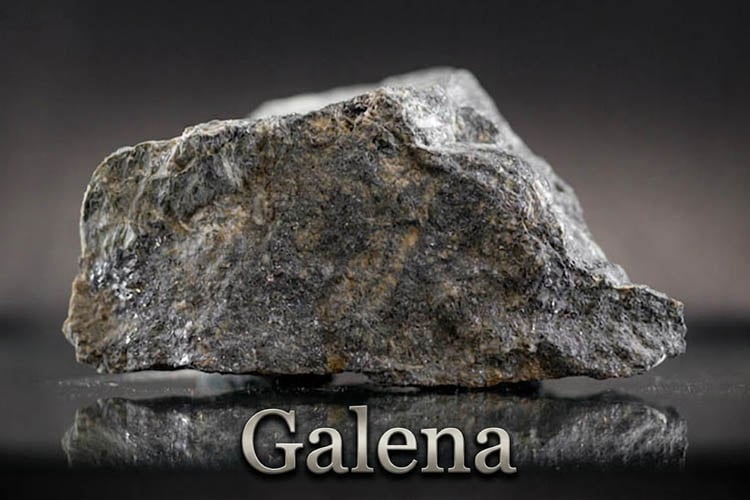
The table below summarizes the physical, chemical, and safety characteristics of galena (lead sulfide ore):
| Property | Specification | Industrial & Mining Significance |
|---|---|---|
| Chemical Formula & Name | PbS (Lead Sulfide) | Main commercial ore mineral for lead and secondary silver smelting. |
| Chemical Composition | 86.6% Lead (Pb), 13.4% Sulfur (S) | Often contains up to 1% silver impurities (Argentiferous Galena). |
| Crystal Structure & Color | Isometric / Cubic system; Lead-gray to silvery metallic | Exhibits perfect cubic cleavage in three directions when crushed. |
| Mohs Hardness | 2.5 – 2.75 (Very Soft) | Requires gentle primary crushing to avoid over-grinding into fine slimes. |
| Density & Specific Gravity | 7.4 – 7.6 g/cm³ (Extremely Heavy) | Ideal for heavy-medium and gravity separation before flotation. |
| Magnetism | Non-magnetic under standard conditions | Differentiates galena from magnetic iron minerals like magnetite. |
| Toxicity & Handling | Hazardous due to heavy lead content | Requires dust control in crushing circuits and protective handling. |
Galena is easily recognizable in both field exploration and laboratory analysis due to its distinct physical structure and optical properties:
Galena (PbS) is primarily formed through hydrothermal processes deep within the Earth's crust. When superheated, mineral-rich subterranean fluids (ranging from 100°C to 300°C) flow through rock fractures, faults, and sedimentary cavities, dissolved lead and sulfur ions precipitate out as temperature and pressure drop. This crystallization produces classic cubic galena deposits commonly associated with other sulfide minerals, including sphalerite (zinc), chalcopyrite (copper), pyrite (iron), and gangue minerals like quartz, fluorite, and calcite.
In sedimentary environments, galena also forms via Mississippi Valley-Type (MVT) deposits, where metal-bearing brine solutions replace carbonate rocks (limestone and dolomite) with low-temperature lead-zinc sulfide mineralization.
Galena is widespread globally and occurs in hydrothermal vein deposits, contact metamorphic zones, and MVT carbonate formations. Major worldwide locations for galena mining and rich lead-silver deposits include:
Yes, galena is toxic because it is composed primarily of heavy metal lead (86.6% Pb by weight). While handling solid crystalline rock samples poses minimal risk through dry skin contact, inhaling galena dust generated during crushing and grinding—or ingesting soluble lead particles—causes severe lead toxicity. Modern mineral processing plants enforce strict dust suppression and wet-crushing protocols to handle galena safely.
No, pure galena is non-magnetic. Unlike magnetic iron ores (such as magnetite or pyrrhotite), galena does not attract magnets under standard conditions. It is easily distinguished from pyrite (fool's gold) by its lead-gray streak, low Mohs hardness (2.5–2.75, easily scratched by a copper coin), and significantly higher specific gravity (7.4–7.6 g/cm³).
Throughout history, galena has had many practical applications that have benefited society. Some of its most important uses include:
The diverse consumption of galena supports a variety of industrial sectors and contributes to global economic activity. Its durability and aesthetic appeal have additionally elevated the mineral's prominence.
Extraction methods for galena depend on deposit geometry and ore grade. Underground mining techniques are suited for tabular veins, while open pit approaches target blanket and replacement ores. Recoveries are enhanced through froth flotation, gravity separation, or selective leaching after crushing and grinding.
Because argentiferous galena serves as both lead ore and silver ore, modern mineral processing uses a 3-stage circuit after mining:
Advanced geophysical, geochemical, and surface mapping techniques effectively locate buried ore targets within favorable prospective terrains when integrated with geological models. Core drilling provides critical material for metallurgical testwork:
With sustained exploration spending, many jurisdictions continue discovering new subsurface galena and associated sulfide orebodies via integration of innovative exploration datasets into 3D litho-structural models.
While galena mining supported community prosperity historically, it also left legacies of emissions, acid mine drainage, and contaminated soils requiring diligent stewardship to rehabilitate lands sustainably. Key challenges include:
In summary, galena (lead sulfide, PbS) continues to play an irreplaceable role in global lead and silver supply chains. Achieving high recovery rates requires a seamless integration of systematic mining (such as underground open stoping), stage-crushing to prevent over-grinding, and flotation separation. Through advancing exploration technology, strict dust suppression, and diligent land reclamation, modern operations sustain galena mining vitality while delivering sustainable socioeconomic benefits in 2026.


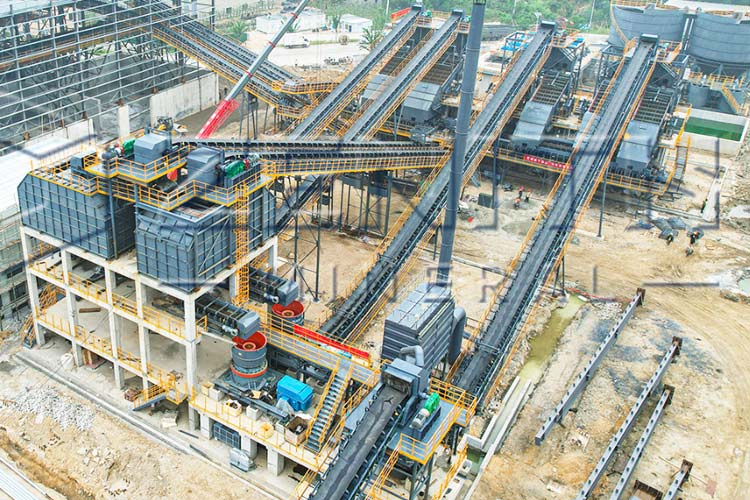
Stone crushers are machines designed to reduce large rocks into smaller rocks, gravel, or rock dust. They are commonly used in the mining, construction, and recycling industries.
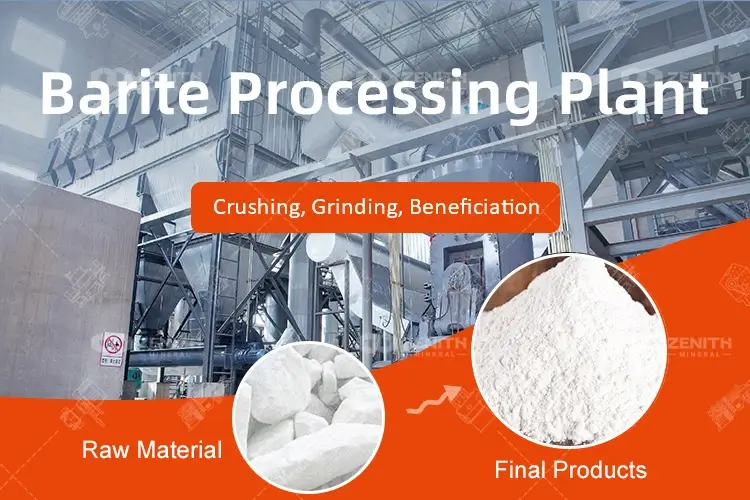
A complete barite processing plant consists of 3 stages, which are crushing, grinding and beneficiation.
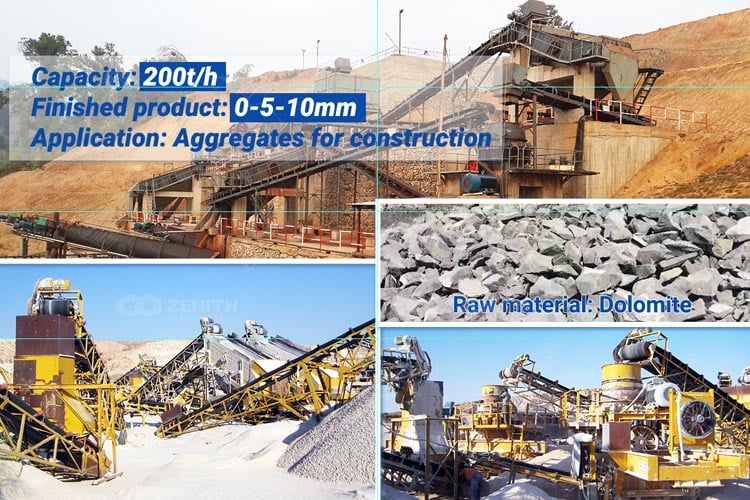
dolomite processing plant can be divided into dolomite crushing and sand making plant and dolomite grinding plant.
Fill your requirements here, and we'll send the custmized solution and quotation to you by the reserved contact information.
Copyright ©2000-2026 SHANGHAI ZENITH MINERAL CO.,LTD.

 WhatsApp

 24/7 Online