
 WhatsApp
Ethiopia, a nation endowed with abundant mineral resources and a rapidly expanding economy, has emerged as a pivotal player in Africa’s mining landscape. With the government designating mining as one of the five core pillars of national development under its 10-year plan, the sector has witnessed unprecedented growth—recording a 115% growth rate in 2021 and contributing over $3.5 billion in revenue in the last fiscal year. This surge is fueled by massive untapped reserves of over 30 metallic, industrial, and construction minerals, coupled with policy reforms aimed at curbing illegal mining and attracting foreign investment.
From the gold-rich greenstone belts of the north to the world-class tantalum mines in the south, and the vast potash deposits in the Danakil Depression, Ethiopia’s mineral wealth spans diverse geological formations. These resources not only support critical sectors like construction, manufacturing, and agriculture but also address the country’s annual $8 billion import bill for commodities such as coal, iron, and marble. Central to unlocking this potential are crushing equipment—essential tools that transform raw ores and rocks into processable materials or construction aggregates.
This article delves into Ethiopia’s dynamic mining market, highlights the key materials being crushed, and profiles the top-selling crushers that have proven indispensable for operators across cities like Addis Ababa, Mekelle, Bahir Dar, and Dire Dawa.
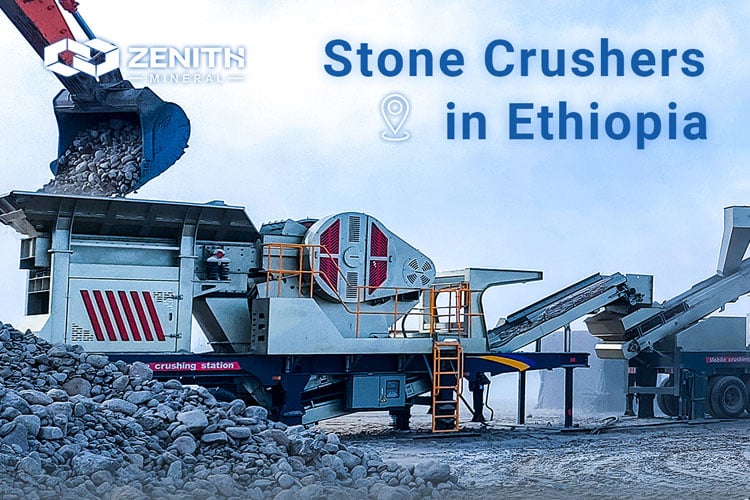
Main Crushing Materials in Ethiopia’s Mining
Ethiopia’s diverse mineral resources require specialized crushing solutions tailored to material hardness, composition, and end-use. The most commonly crushed materials include:
- Gold Ore: A flagship mineral, gold is primarily found in the northern (Tigray region), western, and southern greenstone belts. The Lega Dembi mine in the Guji Zone of Oromia Region and Sakaro mine are major producers, with ore grades reaching up to 16 grams per ton in northern deposits. Crushing is critical for liberating gold particles from host rocks for subsequent processing.
- Tantalum Ore: Ethiopia is the world’s 6th largest tantalum producer, with the Kenticha mine in the Oromia Region being one of the largest globally. This mine, spanning over 250 km², holds an estimated 17,000 tons of high-quality tantalum resources, along with quartz, feldspar, and kaolin that require crushing for separation.
- Construction Aggregates: Limestone, granite, basalt, and marble are widely crushed for road construction, building projects, and concrete production. Basalt, in particular, is a popular material for road base in regions like Addis Ababa and Bahir Dar, with most crushing plants operating at 150-200 tons per hour (tph).
- Potash: The Danakil Depression in northern Ethiopia hosts 588 million tons of potash reserves, with Indian and Norwegian companies leading extraction efforts. Crushing is a vital step in processing potash for fertilizer production, addressing Ethiopia’s annual $688 million fertilizer import bill.
- Coal: With estimated reserves of 6 billion tons (70% in the Geba Basin), coal crushing supports power generation and industrial use. The recent launch of the Sun Mining Coal factory in the Gurage Zone signals growing demand for coal crushing equipment.
- Iron Ore: Reserves exceeding 1.1 billion tons drive crushing needs for steel production, aligning with the government’s goal of producing 3 million tons of iron and steel annually to replace imports.
Top Selling Stone Crushers in Ethiopia: Adapted for Local Conditions
The Ethiopian market favors crushers that combine durability, efficiency, and adaptability to challenging operating environments—from the remote mining sites of Western Ethiopia to the bustling construction hubs of Addis Ababa. Below are the four best-selling crusher types, trusted by operators for their performance in processing local materials.
| Crusher Type | Core Advantages | Key Applications in Ethiopia | Target Operators & Market Appeal |
|---|---|---|---|
| Jaw Crushers | Robust, wear-resistant; easy maintenance; versatile fixed/mobile installation | Primary crushing of gold ore, granite, limestone; coal processing | Small-scale miners ($5k–$20k models); large enterprises ($50k–$300k units); |
| Mobile Crushers | Terrain-adaptive chassis; integrated functions; fast deployment; eco-friendly design | Remote mine ore processing; road construction aggregates; waste recycling | Medium-scale operators ($10k–$100k units); multi-site contractors; cuts transportation costs |
| Cone Crushers | Precise size control; high efficiency; durable for abrasives; automated protection | Secondary/tertiary crushing of potash, gold concentrate; high-grade aggregates | Medium to large-scale mining & construction firms ($70,000–$400,000) |
| Impact Crushers | Uniform cubical output; flexible adjustment; low maintenance; compact design | Limestone/marble crushing; rural housing aggregates; phosphate ore processing | Small-scale quarries ($5k–$100k units); local builders; budget-limited projects |
1. Jaw Crushers: The Workhorse of Primary Crushing
Jaw crushers stand as the most widely used primary crushers in Ethiopia, prized for their ability to handle hard, abrasive materials like granite, iron ore, and gold-bearing rock. Their rugged design and high reduction ratio make them indispensable for initial crushing stages in mines and quarries across the country.
Key Features for Ethiopian Applications:
- Robust construction with wear-resistant jaws that withstand the high hardness of local ores (e.g., granite from the Tigray region and basalt around Dire Dawa).
- High throughput capacity ranging from 10 tph for small-scale operations to over 500 tph for large mines, catering to both artisanal miners and industrial enterprises.
- Simple, low-maintenance design ideal for remote areas where technical support is limited. Manual or hydraulic adjustment systems allow easy modification of output size.
- Versatile installation options—mounted on fixed concrete foundations for quarries near Addis Ababa or on mobile chassis for operations in scattered mining sites like those in the Gambela Region.
Popular Applications in Ethiopia:
- Primary crushing of gold ore at small-scale mines in the northern greenstone belts near Mekelle.
- Processing limestone for construction aggregates in quarries surrounding Bahir Dar, supplying materials for the city’s lakefront development projects.
- Crushing iron ore in the Oromia Region to feed local steel production initiatives.
- Handling coal from the Geba Basin for power plants, with large-scale jaw crushers (200-500 tph) deployed at industrial mines.
Market Appeal:
Jaw crushers dominate the Ethiopian market due to their affordability and reliability. Small-scale operators often opt for compact models (10-50 tph, priced at $5,000-$20,000), while medium to large enterprises invest in heavy-duty units ($50,000-$300,000) for high-capacity operations. Brands offering local spare parts supply, such as those with distributors in Addis Ababa, are particularly favored to minimize downtime.
2. Mobile Crushers: Flexibility for Scattered Resources
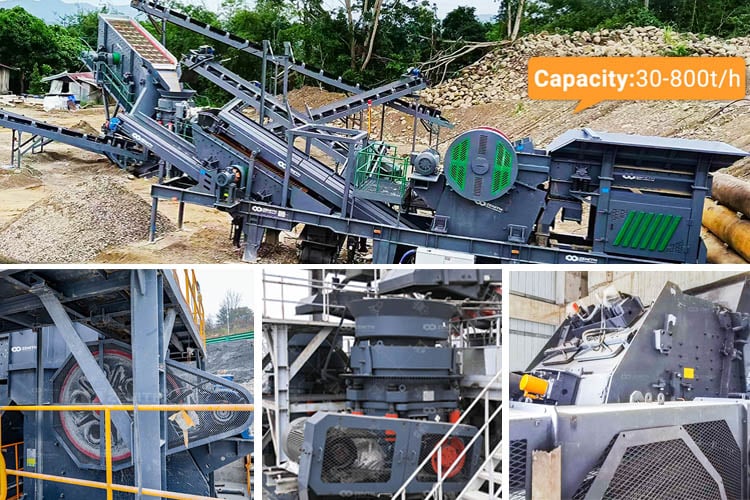
Ethiopia’s mineral deposits are often scattered across remote, hard-to-reach regions—from the tantalum mines of southern Oromia to the gold fields of Western Ethiopia. This geographical challenge has made mobile crushers one of the fastest-growing segments in the country’s crushing equipment market, offering unmatched mobility and on-site processing capabilities.
Key Features for Ethiopian Applications:
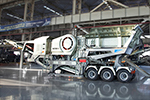
- Crawler or wheeled chassis designed to navigate rough terrain and poor road conditions, enabling relocation between mining sites in 2-3 days without complex infrastructure.
- Integrated modular design combining feeding, crushing, screening, and conveying functions, eliminating the need for expensive fixed installations.
- Energy-efficient engines that operate reliably in Ethiopia’s hot climate, with some models equipped for diesel or electric power to adapt to local energy availability.
- Environmental protection features, including dust suppression systems and noise reduction components, ensuring compliance with Ethiopia’s stricter environmental regulations.
Popular Applications in Ethiopia:
- On-site crushing of basalt for road construction projects in the Rift Valley, where mobile units supply aggregates directly to highway sites near Hawassa.
- Processing tantalum ore at the Kenticha mine, allowing operators to move equipment along the 100 km-long mineral belt for efficient resource utilization.
- Supporting small-scale gold miners in remote areas of the Benishangul-Gumuz Region, reducing the cost of transporting raw ore to fixed crushing plants.
- Recycling construction waste in Addis Ababa, aligning with the city’s sustainable urban development goals by producing recycled aggregates for new building projects.
Market Appeal:
Mobile crushers address Ethiopia’s core challenge of scattered resources, cutting transportation costs and improving operational flexibility. They are particularly popular among medium-scale operators (50-200 tph capacity, priced at $10,000-$100,000) and large construction companies working on infrastructure projects across multiple locations. The ability to deploy quickly—often within 24-48 hours of arrival—makes them a favorite for time-sensitive projects like road expansions near Dire Dawa.
3. Cone Crushers: Precision for Secondary & Tertiary Crushing
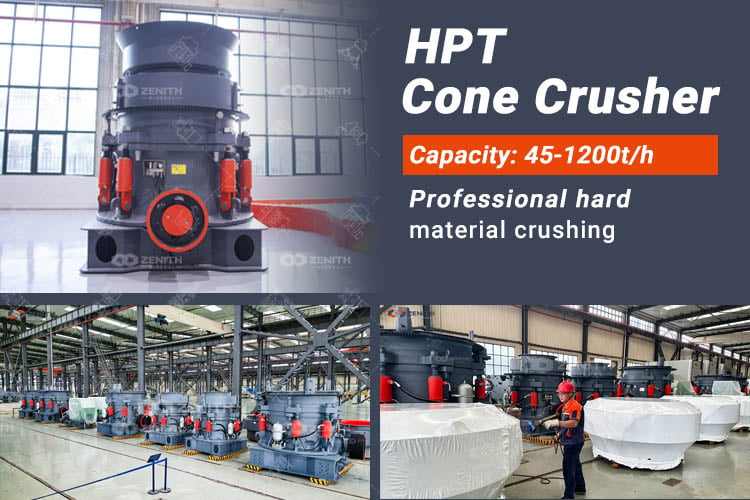
For applications requiring uniform, high-quality fine aggregates or mineral concentrates, cone crushers are the preferred choice in Ethiopia. Used after jaw crushers for secondary or tertiary crushing, they excel at processing medium to hard materials and producing consistent particle sizes—critical for concrete production and mineral beneficiation.
Key Features for Ethiopian Applications:
- Advanced hydraulic systems that ensure stable operation and precise control of output size, with adjustable settings to produce 0-5 mm, 5-10 mm, or 10-20 mm aggregates.
- Durable crushing chambers designed for abrasive materials like granite and iron ore, reducing wear and extending service life in demanding mining conditions.
- High efficiency and low energy consumption, with motors ranging from 50-500 kW to match capacity requirements (50-500+ tph).
- Automation options, such as load sensing and overload protection, which simplify operation for local labor with limited technical training.
Popular Applications in Ethiopia:
- Secondary crushing of limestone in quarries near Addis Ababa, producing high-grade aggregates for the city’s skyscraper and infrastructure projects.
- Tertiary crushing of potash in the Danakil Depression, preparing ore for fertilizer processing plants operated by international mining companies.
- Processing gold ore concentrates in the Tigray region, where precise particle size is essential for efficient gold recovery.
- Producing fine aggregates from basalt in Bahir Dar, supplying materials for road surface layers and high-strength concrete.
Market Appeal:
Cone crushers are valued for their precision and reliability in producing high-quality end products. They are commonly used in medium to large-scale operations, with prices ranging from $70,000-$400,000 depending on capacity and features. Mines focused on export-oriented minerals (like tantalum and gold) and large construction firms prioritize cone crushers for their ability to meet international quality standards, enhancing product competitiveness in global markets.
4. Impact Crushers: Versatility for Medium-Hard Materials
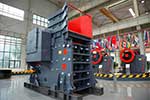
Impact crushers have gained traction in Ethiopia for processing medium-hard materials like limestone, marble, and construction waste. Their ability to produce cubic-shaped aggregates and high throughput makes them ideal for construction applications, while their versatility supports multiple industries across the country.
Key Features for Ethiopian Applications:
- High crushing speed and rotor design that delivers powerful impact forces, producing uniform, cubical aggregates sought after for concrete and road construction.
- Adjustable impact plates and aprons that allow operators to fine-tune output size, adapting to different project requirements.
- Compact design for easy installation in both fixed quarries and mobile units, suitable for urban construction sites in Addis Ababa and rural quarries alike.
- Low maintenance requirements and easy access to wear parts, reducing downtime for operators in regions with limited technical support.
Popular Applications in Ethiopia:
- Crushing marble and limestone in the Tigray region for decorative stone and construction aggregates, supplying local markets and neighboring countries.
- Processing construction waste in Dire Dawa, converting demolition debris into recycled aggregates for road base and low-grade concrete.
- Producing aggregates from soft to medium-hard rocks in the Amhara Region, supporting local housing projects and small-scale infrastructure development.
- Crushing phosphate ore in southern Ethiopia, a key raw material for fertilizer production aimed at reducing the country’s import dependency.
Market Appeal:
Impact crushers are favored for their versatility and cost-effectiveness, with small to medium-capacity models (10-200 tph, priced at $5,000-$100,000) dominating the market. They are particularly popular among small-scale quarry owners and local construction companies due to their ease of operation and ability to handle multiple materials. For projects like rural road construction in the SNNPR Region, impact crushers offer a balance of performance and affordability that aligns with limited budgets.
Choosing the Right Crusher for Ethiopia’s Market
Selecting the optimal crusher for Ethiopian operations requires careful consideration of several factors, including:
- Material Characteristics: Hard materials like granite and iron ore demand jaw or cone crushers, while medium-hard materials like limestone can be efficiently processed with impact crushers.
- Capacity Requirements: Small-scale artisanal miners may opt for 10-50 tph jaw or impact crushers, while large mines and construction projects require 200+ tph units.
- Location & Mobility: Remote, scattered mining sites benefit from mobile crushers, while fixed quarries near urban centers (e.g., Addis Ababa, Bahir Dar) can use stationary jaw or cone crushers.
- Budget & Operating Costs: Smaller enterprises often prioritize upfront affordability, while larger operations focus on long-term efficiency and low maintenance costs.
- Local Support: Crushers from suppliers with local distributors, spare parts availability, and after-sales service in major cities minimize downtime and operational risks.
Crushers Driving Ethiopia’s Mining Transformation
Ethiopia’s mining sector is poised for unprecedented growth, with its abundant mineral resources and government support creating a thriving market for crushing equipment. Jaw crushers, mobile crushers, cone crushers, and impact crushers have emerged as the top-selling models, each addressing specific local needs—from the mobility required for scattered deposits to the precision needed for high-quality aggregates.
As Ethiopia continues to invest in infrastructure, industrialization, and import substitution, the demand for reliable, efficient crushing equipment will only increase. Operators who choose crushers adapted to local conditions—durability for harsh terrains, flexibility for scattered resources, and compliance with environmental regulations—will be well-positioned to capitalize on the country’s mining boom.
Choose ZENITH: Your Trusted Partner in Ethiopia’s Mining Boom
As a leading global manufacturer of crushing and grinding equipment with over 30 years of experience, Shanghai ZENITH has established a strong presence in Ethiopia’s dynamic mining sector, earning the trust of local and international operators alike. With a sales network covering more than 180 countries and a dedicated branch office in Ethiopia, ZENITH is uniquely positioned to deliver tailored solutions that address the specific challenges of local mineral processing—from the hard granite in Tigray to the basalt in Dire Dawa and the gold ore in Western Ethiopia.
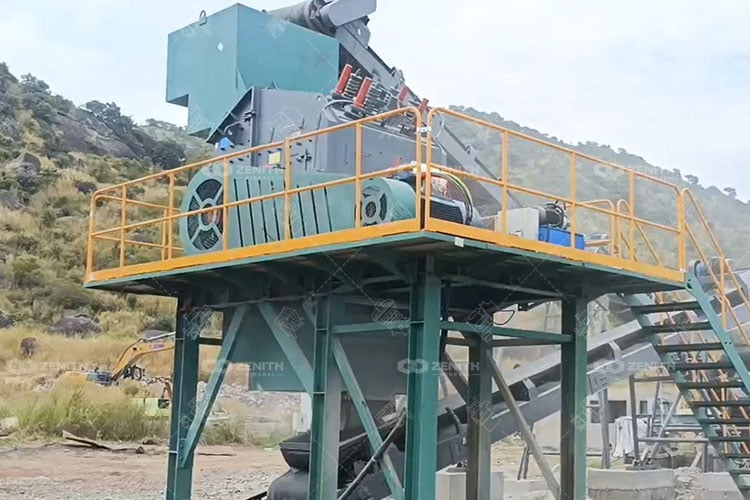
Our product portfolio in Ethiopia includes the full range of top-selling crushers highlighted in this article, all engineered to withstand the country’s harsh operating conditions. Our C6X jaw crushers, renowned for their high efficiency and wear resistance, are widely used in primary crushing operations across quarries near Addis Ababa and Mekelle. Our mobile crusher series, featuring robust crawler chassis, has been successfully deployed in remote mining sites such as the Kenticha tantalum mine and road construction projects in the Rift Valley, enabling on-site processing and significant transportation cost savings. Additionally, our HPT cone crushers and impact crushers are trusted for producing high-quality aggregates that meet international standards, supporting Ethiopia’s export-oriented mineral projects and large-scale infrastructure developments.
What sets ZENITH apart is our unwavering commitment to local service excellence. Our comprehensive service chain covers every stage of your project: pre-sales, we provide professional on-site surveys and customized solution design based on your material characteristics and capacity needs; during sales, our technical team oversees installation, commissioning, and operator training to ensure smooth startup; after sales, we offer 24/7 online consulting and regular on-site revisits to optimize equipment performance and minimize downtime. This end-to-end support has enabled us to complete many crushing and grinding projects in East Africa, including multiple successful cases in Ethiopia such as the 100-120 TPH granite crushing project in Addis Ababa and the 200 TPH basalt mobile crushing line.
Whether you are a small-scale artisanal miner in Bahir Dar, a medium-sized quarry owner in Oromia, or a large international mining company operating in the Danakil Depression, ZENITH has the right equipment and expertise to power your success.



 24/7 Online