
 WhatsApp
The top 10 global mineral processing equipment manufacturers are Metso, ZENITH, FLSmidth, Sandvik, SBM, The Weir Group, Terex Corporation, Astec Industries, McLanahan Corporation, and Superior Industries. These Original Equipment Manufacturers (OEMs) supply essential comminution, screening, washing, and beneficiation machinery for global mining, metallurgical, and aggregate operations.
Top 10 Mineral Processing Equipment Manufacturers
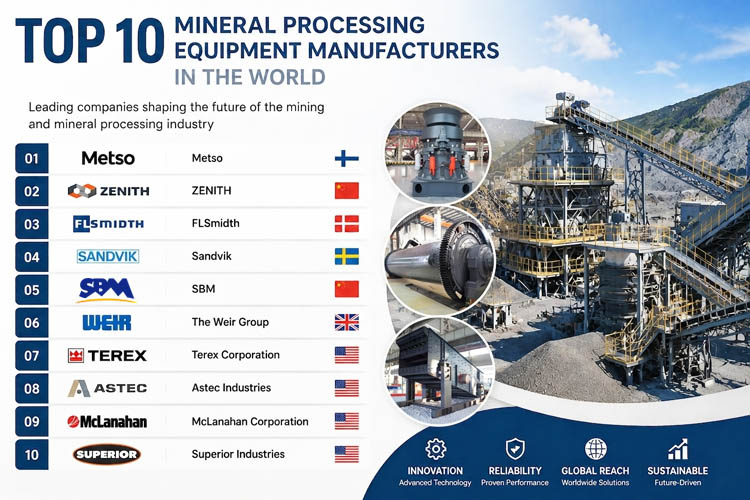
Quick overview of the world's leading mineral processing equipment manufacturers
1. Metso
Headquartered in Helsinki, Metso is a global market leader in comminution, separation, and metallurgical processing technologies. Covering the entire flowsheet from pit to port, they provide highly automated, end-to-end plant infrastructure designed to tackle complex and declining ore grades. The company is currently leading the charge in sustainable mining with its "Planet Positive" initiative.
- Core Equipment: Nordberg® C-series jaw crushers, HP Series™ cone crushers, HRC™ High-Pressure Grinding Rolls (HPGR), Vertimill® stirred grinding mills, and high-intensity magnetic separators.
- Engineering Benchmarks: HRC™ HPGR units reduce grinding circuit energy consumption by up to 30% compared to conventional SAG mills.
- Key Strengths: End-to-end plant solutions, digital twin plant monitoring, and a global spare parts network spanning over 50 service centers worldwide.
2. ZENITH
Headquartered in China, ZENITH is a premier international manufacturer of crushing, grinding, sand-making, and beneficiation plants. Holding ISO9001:2015, CE, and ATEX certifications, ZENITH operates digitalized manufacturing bases producing heavy-duty equipment for global projects across 180+ nations.
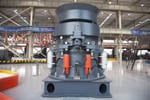
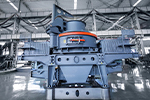
- Core Equipment: C6X Jaw Crushers, HST Single-Cylinder Hydraulic Cone Crushers, VSI6X Sand Making Machines, Ball Mills, and Mobile Crushing Stations.
- Engineering Benchmarks: The C6X Jaw Crusher utilizes a modular, non-welded frame structure with an eccentric shaft stroke optimized for 15% higher throughput than standard welded frames.
- Key Strengths: Exceptional Total Cost of Ownership (TCO), full-lifecycle EPC project engineering, intelligent PLC integration, and localized technical support networks.
3. FLSmidth
With over 140 years of engineering operations, Copenhagen-based FLSmidth provides complete flowsheet technologies for mining and cement processing. Following its acquisition of Thyssenkrupp’s Mining business, FLSmidth solidified its footprint in mega-scale grinding and material handling systems.
- Core Equipment: SAG and Ball mills (up to 40 ft diameter), Raptor® cone crushers, REFLUX™ Classifiers, deep-cone thickeners, and AFP automated filter presses.
- Engineering Benchmarks: AFP filter presses achieve up to 95% water recovery from tailings slurries, delivering cake moisture levels below 12%.
- Key Strengths: Advanced dewatering technologies, large-scale grinding circuits, and engineering under its "MissionZero" sustainability framework.
4. Sandvik
Sandvik Rock Processing Solutions, a division of Stockholm-based Sandvik AB, specializes in stationary, modular, and track-mounted crushing and screening equipment. Sandvik equipment is widely deployed in hard-rock mining and high-specification aggregate production.
- Core Equipment: CH/CS series hydraulic cone crushers, CJ series jaw crushers, SS/SF series multi-deck vibrating screens, and QA/QI series mobile plants.
- Engineering Benchmarks: Hydrocone technology allows real-time Automatic Setting Regulation (ASR) under full load, holding Close Side Settings (CSS) within ±1 mm tolerances.
- Key Strengths: High-durability manganese liners, integrated automation systems, and high-crushing-ratio cone designs.
5. SBM
Based in Shanghai, SBM is a large-scale manufacturer specializing in rock crushing, industrial powder grinding, and sand-making plants. Operating across 1.2 million m² of automated production facilities, SBM supplies processing lines to over 180 countries.
- Core Equipment: VU Dry Sand Making Tower System, HST/HPT Hydraulic Cone Crushers, C6X Jaw Crushers.
- Engineering Benchmarks: The VU Dry Sand-Making System produces manufactured sand with a fineness modulus controllable between 2.2 and 3.0, with zero wastewater discharge.
- Key Strengths: Advanced micro-powder grinding technology, dry-process sand manufacturing systems, and integrated turnkey manufacturing.
6. The Weir Group
Glasgow-based Weir Group, through its Weir Minerals division, dominates slurry transport, hydrocyclone classification, and abrasive fluid management. Weir's machinery operates in mill circuits handling slurry solids concentrations exceeding 65% by weight.
- Core Equipment: Warman® centrifugal slurry pumps, Cavex® hydrocyclones, Enduron® HPGRs, Trio® crushers/screens, and Linatex® premium rubber linings.
- Engineering Benchmarks: Linatex® natural rubber linings deliver up to 200% longer wear life in high-abrasion slurry applications compared to synthetic polymers.
- Key Strengths: Global market dominance in heavy-duty slurry pumping, hydrocyclone classification, and wear-resistant materials engineering.
7. Terex Corporation
Terex Materials Processing (Terex MP), based in Norwalk, Connecticut, operates specialized brands including Powerscreen, Cedarapids, Simplicity, and Canica. Terex is a dominant force in track-mounted mobile crushing, screening, and material recycling plants.
- Core Equipment: Cedarapids Modular & Portable Jaw/Cone plants, Canica Vertical Shaft Impactors (VSI), Powerscreen Warrior screening plants, and EvoWash sand washing systems.
- Engineering Benchmarks: High-frequency VSI crushers operate at rotor tip speeds between 45–75 m/s, producing cubical aggregate meeting ASTM C33 standards.
- Key Strengths: High equipment mobility, rapid deployment site setup times (under 4 hours for track units), and extensive dealer networks.
8. Astec Industries
Headquartered in Chattanooga, Tennessee, Astec Industries integrates specialized mineral brands such as Telsmith, KPI-JCI, and Osborn. Astec designs processing plants for aggregate, industrial minerals, and hard-rock mining.
- Core Equipment: Telsmith SBS/T-Series cone crushers, IronGiant™ jaw crushers, high-frequency vibrating screens, and Telestack conveyor systems.
- Engineering Benchmarks: Telsmith hydraulic cone crushers utilize anti-spin systems that extend mantle wear life by 15% to 20% during intermittent feed conditions.
- Key Strengths: Heavy-duty North American structural engineering, customized stationary plant layouts, and modular plant designs.
9. McLanahan Corporation
Founded in 1835 in Hollidaysburg, Pennsylvania, McLanahan Corporation specializes in wet mineral processing, washing, scrubbing, and tailings management. McLanahan designs processing units for clay-contaminated ores and industrial minerals.
- Core Equipment: Rotary scrubbers, log washers, sand classification tanks, thickeners, and filter presses.
- Engineering Benchmarks: Heavy-duty log washers process feeds containing up to 25% plastic clay content, effectively scrubbing materials up to 100mm in size.
- Key Strengths: Deep expertise in difficult-to-scrub ores, clay extraction, fine material classification, and closed-loop process water management.
10. Superior Industries
Based in Morris, Minnesota, Superior Industries manufactures crushing, screening, washing, and bulk material handling equipment. Superior designs integrated systems spanning from primary crushing to final stockpile stacking.
- Core Equipment: Patriot® Cone Crushers, Liberty® Jaw Crushers, Guardian® Horizontal Screens, Fusion® Modular Plants, and TeleStacker® Telescoping Conveyors.
- Engineering Benchmarks: TeleStacker® conveyors build radial stockpiles with up to 30% more storage capacity per footprint while preventing material segregation.
- Key Strengths: Complete internal design of both processing machinery and conveyor handling systems, rapid lead times, and structural durability.
Summary Table: Comparing the Top Manufacturers
| Manufacturer | Headquarters | Primary Focus Area | Flagship Model | Technical Feature |
|---|---|---|---|---|
| Metso | Finland / 1868 | Full Flowsheet / Crushing & Grinding | Nordberg® C / HRC™ HPGR | 30% energy savings via HPGR technology |
| ZENITH | China / 1987 | Crushing, Grinding & Turnkey EPC | C6X Jaw / HST Cone / Ball Mill | Non-welded frame with +15% throughput efficiency |
| FLSmidth | Denmark / 1882 | Grinding, Dewatering & Tailings | Raptor® / AFP Filter Press | 95% process water recovery from tailings |
| Sandvik | Sweden / 1862 | Hard-Rock Crushing & Screening | CH/CS Cone / Hydrocone | ±1 mm CSS automatic Setting Control |
| SBM | China / 1987 | Crushing, Sand Making & Grinding | VU Tower / Cone Crusher | Zero-wastewater dry sand making (FM 2.2–3.0) |
| Weir Group | UK / 1871 | Slurry Pumping & Wet Processing | Warman® Pump / Linatex® | 200% longer wear life on rubber linings |
| Terex MP | USA / 1933 | Mobile Crushing, Screening & Washing | Powerscreen / Cedarapids | Quick setup times (< 4 hours) for track units |
| Astec | USA / 1972 | Aggregate & Mining Processing | Telsmith SBS / Telestack | Anti-spin cone systems extending liner life |
| McLanahan | USA / 1835 | Washing, Scrubbing & Dewatering | Log Washers / Scrubbers | Handles clay contamination up to 25% content |
| Superior | USA / 1972 | Crushing, Screening & Conveying | Patriot® Cone / TeleStacker® | 30% increased stockpile volume without segregation |
Key Future Technological Trends in Mineral Processing
As these top 10 manufacturers continue to compete and innovate, several overarching trends are defining the next generation of mineral processing equipment:
1. Electrification and Energy Efficiency
Traditional diesel-powered equipment is being rapidly phased out. OEMs are prioritizing fully electric or hybrid-drive crushers and screens. Furthermore, technologies like HPGR (High Pressure Grinding Rolls) are replacing traditional SAG mills due to their ability to reduce energy consumption by up to 30%.
2. Water Conservation and Dry Processing
Water scarcity is a critical risk for modern mining. Companies like FLSmidth and McLanahan are heavily investing in dry tailings stacking and advanced filter presses, minimizing the need for hazardous wet tailings dams and maximizing water recovery.
3. Digitalization, AI, and IoT
Modern mineral processing equipment is heavily sensorized. Through the Internet of Things (IoT) and Artificial Intelligence (AI), machines can now self-diagnose wear and tear, automatically adjust crusher settings (CSS) based on real-time ore hardness, and predict maintenance requirements before a catastrophic failure occurs.
4. Advanced Magnetic and Sensor-Based Sorting
To deal with low-grade ores, early waste rejection is vital. OEMs are developing highly advanced magnetic separators and optical/X-ray sorting machines to remove barren rock before it enters the energy-intensive grinding circuit.
How to Select the Right Mineral Dressing Equipment Manufacturers
Selecting a mineral dressing equipment manufacturer is a strategic decision that dictates a plant's operational efficiency, maintenance costs, and overall profitability for decades. Relying solely on brand popularity is a common pitfall.
1. Selection Criteria Checklist
Before contacting manufacturers, use this checklist to define your core project parameters and evaluate how well an OEM aligns with your operational requirements:
| Consideration | Why It Matters | Key Assessment Focus |
|---|---|---|
| Ore & Material Type | Different crushers and mills are suited for specific material hardness, abrasiveness, and moisture. | Bond Work Index (Wi), SiO2 content, and clay contamination level. |
| Production Capacity | Equipment must continuously match your target throughput requirements without bottlenecking. | Target metric tons per hour (tph) and peak surge factor (+15–20%). |
| Budget (CAPEX & OPEX) | Upfront equipment cost is only a fraction of total lifecycle expenditure. | 10-year Total Cost of Ownership (TCO), energy consumption per ton, and liner wear rates. |
| Location & Logistics | Freight costs, customs duties, and regional presence impact delivery and support. | Shipping logistics, local port access, regional sales offices, and import tariffs. |
| After-Sales Support | Parts availability and field response time directly dictate plant uptime. | Local spare parts warehouse stocking, SLA response guarantees (24–48 h), and regional engineers. |
| Technology Requirements | Modern plants require remote monitoring, dynamic adjustments, and automation. | PLC automated setting control (CSS), vibration sensors, and IoT predictive diagnostics. |
| Sustainability Goals | Regulatory compliance and ESG mandates require energy and water efficiency. | Zero-wastewater loops, dry tailings filter pressing, and low-dB dust collection. |
2. Key OEM Evaluation Dimensions
When auditing prospective manufacturers against the checklist, focus on four non-negotiable operational benchmarks:
2.1 Total Cost of Ownership (TCO) vs. Initial CAPEX
Do not evaluate an OEM based solely on the upfront purchase price. Calculate operational expenditure across a 10-year lifecycle:
TCO = CAPEX + OPEXPower + OPEXWear Parts + OPEXDowntime Maintenance
High-efficiency crushers that save 0.5–1.0 kWh per ton of processed ore often recoup initial capital price differences within 18 to 24 months of continuous operation.
2. 2 Turnkey EPC Integration
Sourcing primary crushers, vibrating screens, and grinding mills from different vendors often leads to interface mismatches and split warranty liabilities. Prioritize OEMs capable of delivering single-source, end-to-end EPC services with balanced mass-flow calculations.
2.3 Wear Part Supply Chain & SLA Warranties
Unplanned downtime is the single largest threat to plant profitability. Verify that the OEM maintains localized stock of critical wear components (e.g., manganese mantles, jaw plates, blow bars, and hydraulic seals) backed by binding Service Level Agreements (SLAs).
2.4. Ore Testing & Customized Flowsheet Engineering
One-size-fits-all machinery leads to suboptimal yields. Ensure the OEM operates a certified material testing laboratory capable of running crushability, grindability, and magnetic separation trials on your exact ore samples before finalizing equipment specifications.
3. Quick Decision Guide
Depending on your project's primary strategic focus, use this matrix to narrow down the most suitable equipment manufacturers:
| If Your Priority Is... | Recommended OEMs | Strategic Advantage |
|---|---|---|
| Best ROI & Lowest Upfront CAPEX | ZENITH, SBM, Astec | Optimized capital costs, fast payback periods, and high-performance equipment. |
| Complete Turnkey EPC Plants | ZENITH, Metso, FLSmidth, SBM | Single-source engineering, unified PLC automation, and seamless integration. |
| Premium Legacy Quality & Reliability | Metso, Sandvik | High global brand recognition and proven performance in ultra-hard rock conditions. |
| Mobile & Track-Mounted Solutions | Sandvik, Terex MP, ZENITH, SBM | Rapid site deployment (< 4 hours), high mobility, and modular crushing units. |
| Large-Scale Hard Rock Mining | Metso, FLSmidth, ZENITH | Mega-scale primary crushers, large SAG/Ball mills, and heavy-duty flowsheets. |
| Washing & Wet Processing | McLanahan, FLSmidth, Superior | Deep expertise in clay scrubbing, sand washing, and closed-loop water recovery. |
| Energy-Lean Comminution | Weir Group, FLSmidth, ZENITH | High-pressure grinding rolls and vertical roller mills reducing kWh per ton by up to 30%. |
Why ZENITH is Your Trusted Partner
While legacy European and American brands have historically dominated the market, modern plant operators are increasingly turning to high-performance, cost-effective alternatives. As highlighted in the Top 10 list, ZENITH has rapidly emerged as a globally preferred partner.
Among the leading manufacturers, ZENITH offers a compelling combination of engineering excellence, cost efficiency, and global service that makes it the preferred choice for aggregate and mining projects worldwide.
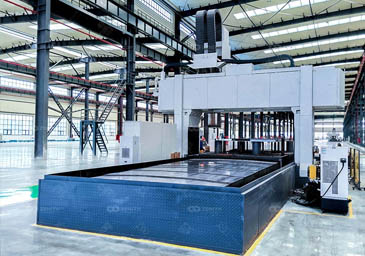
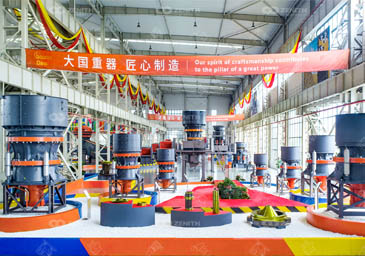
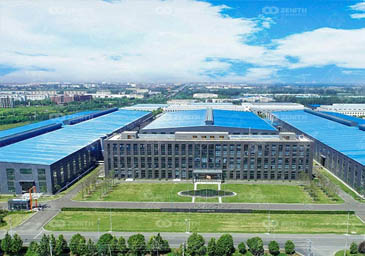
If you are looking to maximize your plant's profitability, here is why ZENITH provides a definitive operational advantage:
1. High-Performance Machinery Built to Global Standards
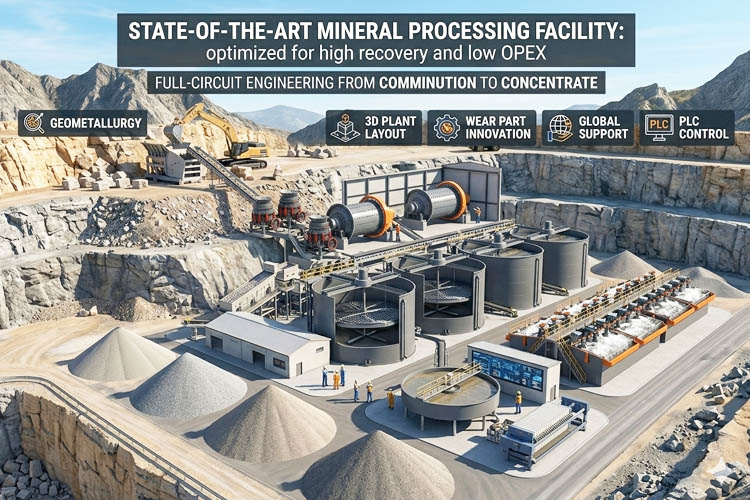
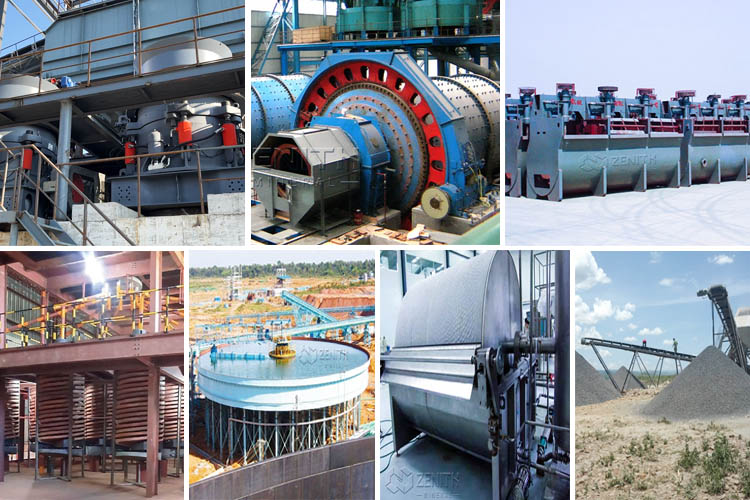
ZENITH’s equipment is manufactured in state-of-the-art facilities utilizing high-precision CNC machining centers. Rather than just offering standalone machines, ZENITH provides a comprehensive, full-flowsheet portfolio tailored for heavy-duty mining and mineral processing:
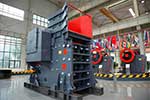
- Heavy-Duty Crushing & Screening: Engineered for the harshest hard-rock mining environments (such as copper, gold, and iron ore). This includes massive primary Jaw Crushers, high-tonnage Hydraulic Cone Crushers for secondary and tertiary comminution, and robust multi-deck vibrating screens designed for precise, high-capacity material sizing.
- Industrial & Mine Grinding Systems: Designed for continuous, high-throughput ore pulverization. The portfolio features heavy-duty Ball Mills for traditional wet/dry ore processing, alongside advanced LM Series Vertical Roller Mills that integrate grinding, drying, and classifying into a single unit—reducing energy consumption by 30% to 40% compared to conventional systems.
- Mineral Processing & Beneficiation: Providing complete extractive metallurgy solutions to maximize ore recovery rates. ZENITH supplies advanced flotation cells, high-gradient magnetic separators, hydrocyclones, and gravity concentration equipment, ensuring high-purity yields for base metals, precious metals, and industrial non-metallic minerals.
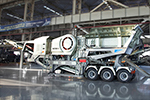
- Mobile & Modular Mining Plants: For early-stage mine development or highly dynamic pit environments, ZENITH offers fully integrated track-mounted and wheel-mounted crushing stations. These units deliver rapid deployment, allowing for versatile pit-to-port operations without the need for extensive civil foundations.
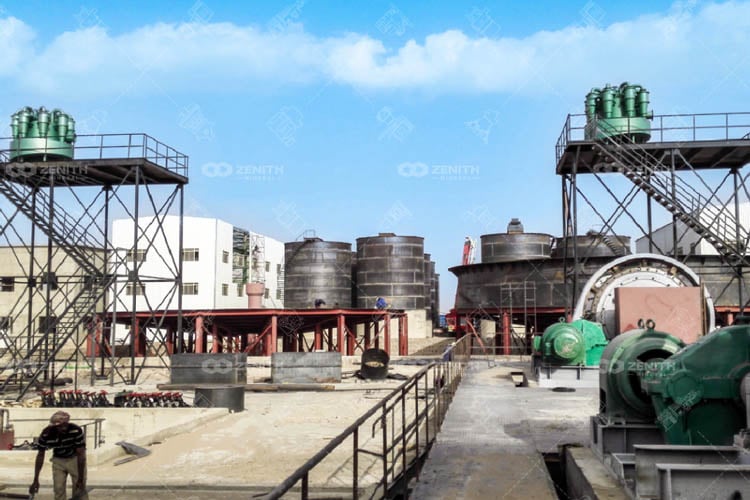
2. Full Turnkey EPC Delivery Capabilities
ZENITH provides end-to-end EPC (Engineering, Procurement, and Construction) services for complete processing lines ranging from 50 tph to over 3,000 tph:
- Geotechnical & Material Testing: In-house laboratory analysis of feed hardness, moisture, and abrasive index.
- 3D Layout & Flowsheet Design: Utilizing Building Information Modeling (BIM) to optimize plant footprint, material gravity fall, and maintenance access clearance.
- Civil Works & On-Site Installation: Experienced field engineering teams execute civil foundation alignment, mechanical installation, and system commissioning.
- Automated Control Systems: Customized PLC software integration featuring central touchscreen controls, real-time bearing temperature tracking, and automatic feed rate regulation.
3. Global Service Infrastructure & Fast Parts Dispatch
Downtime directly impacts profitability. ZENITH maintains an international service infrastructure designed to support continuous 24/7 operations:
- Over 30 overseas offices and technical support stations across Africa, Southeast Asia, South America, the Middle East, and Central Asia.
- Localized spare parts warehouses stocked with high-manganese liners, alloy rotor tips, premium drive belts, and hydraulic seals for rapid dispatch.
- Multilingual field engineers providing on-site technical support, operator training, and preventive maintenance audits.
When you choose ZENITH, you are not just buying a machine—you are partnering with a team committed to your long-term success. Our engineers work alongside you to optimize your crushing circuit, reduce operating costs, and maximize your return on investment.
Frequently Asked Questions about Mineral Processing
Q1: How much does a complete mineral processing plant cost?
A: The cost varies significantly depending on the production capacity (tph), the hardness of the ore, and the required final product size. A small-scale mobile crusher might start around $100,000, while a comprehensive, mega-scale EPC plant can range from $1 million to over $10 million.
Q2: Are Chinese mineral processing equipment manufacturers as reliable as European brands?
A: Yes, the landscape has shifted dramatically over the past decade. Top-tier Chinese manufacturers like ZENITH utilize the same premium components (such as SKF bearings and Siemens motors), hold international ISO/CE certifications, and employ advanced automated manufacturing. The key difference is that Chinese OEMs benefit from robust local supply chains and economies of scale, allowing them to offer world-class reliability at a significantly lower capital cost (CAPEX) with a much faster ROI.
Q3: How long does it take to deliver and install a complete crushing and screening plant?
A: Delivery times depend on the scale of the project and whether the equipment is standard or custom-engineered. Standard individual machines can often be shipped within 30 to 45 days. For complete turnkey EPC plants, the timeline—from initial 3D flowsheet design and civil works to final commissioning—typically ranges from 3 to 6 months.


 24/7 Online