The Hidden Costs of Used Mineral Processing Equipment: 5 Things to Check
In the capital-intensive world of mining and aggregates, the temptation to purchase used mineral processing equipment is understandable. On paper, the 40-50% savings on initial CAPEX looks like a strategic win. However, experienced operators know that the purchase price is only the tip of the iceberg. If you are considering a second-hand crusher or screen, you must look beyond the fresh paint job. Here are the 5 "hidden costs" that could turn your bargain into a financial burden, along with a smarter alternative for growth.
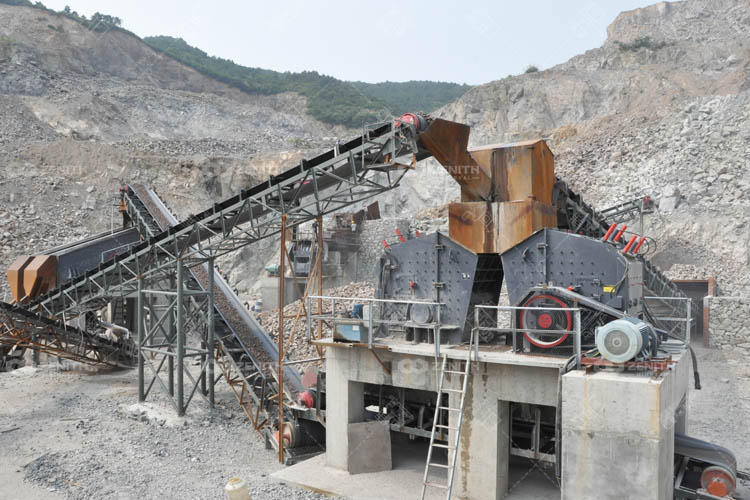
1. The "Fatigue" Factor: Invisible Structural Damage
Unlike new equipment, used machinery has a history of high-stress cycles. Continuous vibration and high-impact loads cause metal fatigue that is often imperceptible.
- The Risk: Micro-cracks in the mainframe, pitman, or eccentric shaft. If the previous owner operated the machine at an incorrect Closed Side Setting (CSS) or with uncrushable material, the internal stress could be near the breaking point.
- The Hidden Cost: A catastrophic frame failure six months into operation isn't just a repair bill—it's weeks of total site stoppage. Replacing a mainframe on an old machine can cost 70% of the unit's original value.
2. Efficiency Lag: The Technology & Energy Gap
Mineral processing technology evolves rapidly to meet rising energy costs and stricter environmental standards.
- The Reality: A crusher manufactured ten years ago likely uses older motor technology and less efficient crushing chamber profiles.
- The Power Tax: Older units typically consume 15-25% more kilowatt-hours per ton. For a plant running 10 hours a day, this "energy tax" can exceed $60,000 annually. Over three years, you have paid back all the savings you made by buying used.
3. Parts Obsolescence: The Hunt for Spares
When a machine is discontinued, the manufacturer eventually phases out specialized components.
- The Bottleneck: Buying used often means relying on the "aftermarket" for wear parts. Generic liners or bearings may not fit perfectly, leading to reduced crushing force and a 30% shorter wear life.
- The ZENITH Advantage: New equipment utilizes standardized, high-grade Mn18Cr2 components. We guarantee 24/7 parts availability through our global logistics network, ensuring you never wait weeks for a custom-fabricated shaft.
4. Zero Automation:The High Labor & Risk Cost
Modern mineral processing is moving toward "Smart Mining." Most used equipment lacks PLC integration and remote monitoring.
- The Impact: Without automated CSS adjustment and real-time sensor data for oil temperature and pressure, you require more manual labor on-site.
- Safety & Precision: New machines feature hydraulic clearing and adjustment systems. On an old machine, clearing a jammed chamber is a dangerous, manual task that can take hours. On a new ZENITH crusher, it takes minutes via a touch-screen.
5. Civil Works and Installation Complexity
The cost of used equipment rarely includes the massive "ancillary" expenses required to make it run.
- The Engineering Gap: You may spend months and hundreds of thousands of dollars on custom-designed concrete foundations and structural steel to accommodate the specific footprint of an old, heavy machine.
- The Delay: While you save time on the machine purchase, you lose it on site preparation. Every month of delayed production is a month of lost revenue.
The "Smart" Middle Ground: ZENITH Modular Solutions
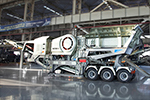
If the high cost of a massive stationary plant is out of reach, but the risk of used equipment is too high, there is a superior alternative: ZENITH Modular Solutions.
Our modular plants provide a "plug-and-play" experience that solves the CAPEX vs. Risk dilemma:
- Rapid Deployment: Pre-engineered steel structures mean you can be operational in weeks, not months.
- Cost-Effective: By eliminating heavy civil works and complex on-site engineering, the total project cost is significantly closer to used options but with the reliability of a new machine.
- Full Warranty: Unlike second-hand gear, our modular units come with full factory support and the latest energy-efficient technology.
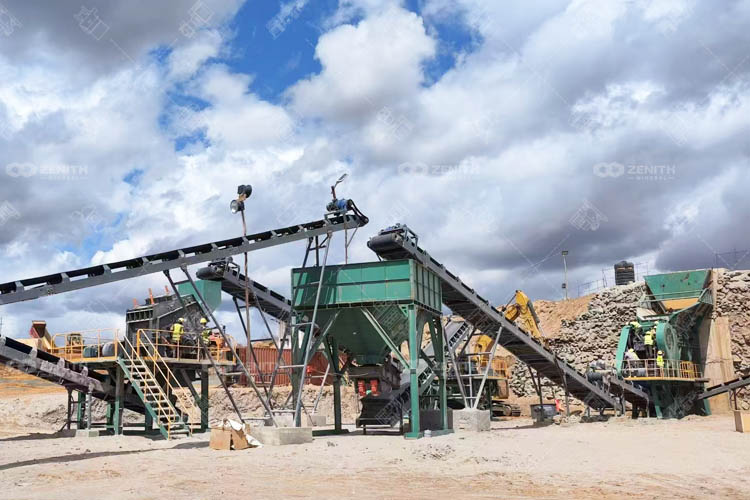
The "Used Equipment" Pre-Purchase Checklist
If you still choose to go the used route, ensure your team checks these 5 critical points:
- 1. Ultrasonic Testing: Check the mainframe and pitman for internal cracks.
- 2. Oil Analysis: Take a sample of the lubrication oil to check for metal shavings (indicates bearing wear).
- 3. Power Draw Records: Ask for historical data on electricity consumption vs. TPH.
- 4. Parts Interconnectivity: Verify if the wear parts are standard or custom-made.
- 5. Foundation Requirements: Get a structural engineer to quote the cost of the steel/concrete required for that specific model.
Stop Guessing. Start Calculating Your ROI.
Is a used machine truly cheaper for your specific site? Don't leave your ROI to chance.
Provide us with your raw material type and required capacity (TPH), and our engineering team will provide you with a Free Cost-Benefit Analysis. We will compare the Total Cost of Ownership (TCO) between a new ZENITH configuration and your used equipment options, showing you exactly when the new machine will pay for itself.



 English
 Русский
 Español
 العربية
 Français
 简体中文
简体中文 WhatsApp

 24/7 Online
 +86-21-58386256
 +86 13611890592


